

Hydraulic downtime is expensive because it doesn’t fail quietly: a burst line can dump fluid fast, and a tired pump can turn a strong machine into a slow, unsafe one. If we run off-road machinery—tractors, loaders, excavators, lifts, skid steers—the goal is simple: prevent leaks, keep pressure stable, and avoid heat and contamination that kill components early. This guide gives a practical maintenance playbook focused on protecting hydraulic pumps and hoses with steps we can apply in the field and in the shop.
Why Do You Need to Maintain Hydraulic Pumps and Hoses?
Hydraulic systems convert engine power into controlled force. When they’re healthy, we get smooth lift, steady steering, precise attachment control, and predictable cycle times. When they’re neglected, small issues stack up:
- Contamination (dirt, metal, water) turns fluid into an abrasive.
- Heat breaks down hydraulic oil, hardens seals, and speeds wear.
- Air leaks cause foam and cavitation—one of the fastest ways to damage a pump.
- Hose aging leads to cracks, blisters, and pinhole leaks that can escalate into bursts.
FridayParts’ hydraulic catalog points out why routine hydraulic maintenance matters: it improves performance, saves repair costs, extends component life, and improves safety. In off-road environments—dust, vibration, moisture, temperature swings—these benefits aren’t “nice to have”; they decide whether we finish the day or lose it to downtime.
One more connection that often gets missed: if the engine isn’t maintained, the whole machine suffers. Using the right oil for diesel engines and consistent service reduces heat and vibration that can indirectly stress pumps, mounts, and hose routing. Likewise, worn cooling or sealing issues can raise under-hood temps and shorten hose life.
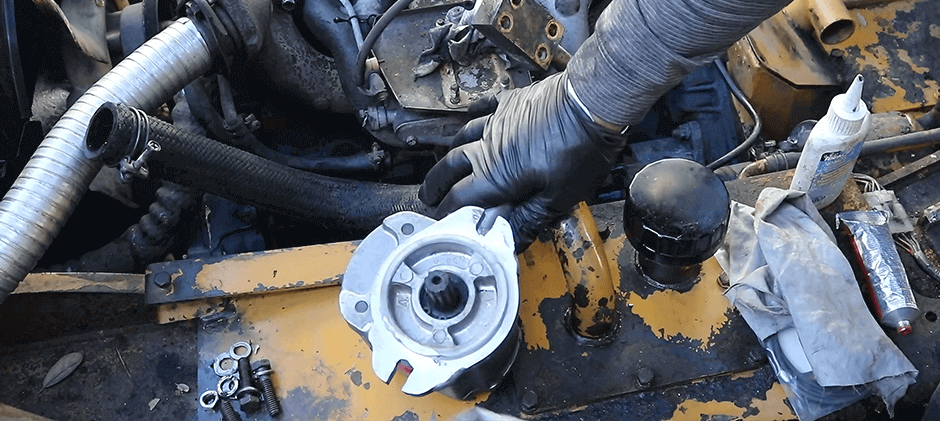
10 Essential Tips for Protecting Hydraulic Pumps and Hoses
1) Learn your system’s basics
Before we “fix,” we map what we’re working on:
- Pump type and mounting
- Main pressure setting and relief location
- Return path and filtration points
- Which circuits are high-flow vs. high-pressure
- Hose sizes and fitting styles
This matters because “same symptom” can come from different causes. Slow boom could be low pump output, a relief stuck open, a clogged filter, or a collapsing suction line. A quick system overview saves wasted parts and repeat repairs.
Field habit: keep a machine-specific note with normal operating pressure/temps and typical cycle time. Deviations become early warnings.
2) Inspect daily with a leak-first routine
Hoses and pumps usually give signals before failure. We look for:
- Wet fittings, oily dust buildup, or shiny rub spots
- Hose abrasion, cracked covers, blisters, or exposed braid
- Pump housing seepage, shaft seal weep, or loose mounting bolts
- Abnormal vibration or whining during functions
Safety note: never run your hands over a suspected leak. High-pressure fluid injection is a serious injury risk. Use cardboard/wood and proper PPE.
A two-minute “walk-around + quick function test” catches most hose issues early—before they become a spill or burst.
3) Control contamination like it’s a parts budget decision
Contamination is the most common reason hydraulics get noisy, weak, or short-lived. Dirt and metal don’t just “float around”—they grind clearances inside pumps and valves.
Ways contamination enters off-road hydraulics
- Dirty fill practices (open drums, unclean funnels)
- Damaged breathers or missing caps
- Cylinder rod damage, pulling grit past seals
- Hose failure,s shedding rubber and wire fragments
- Poor-quality or overdue filters
What we do
- Clean around fill ports before opening
- Use sealed containers and dedicated transfer tools
- Keep the area around the reservoir clean
- Fix the rod wipers and breathers instead of ignoring them
4) Keep hydraulic fluid in spec
Use the manufacturer-recommended fluid type and viscosity. Wrong viscosity can cause sluggish operation (too thick), poor film strength (too thin), and pump cavitation risk if the flow to the inlet can’t keep up.
We also match change intervals to operating hours and the environment, not just a calendar. Dusty sites, high humidity, and frequent attachment swaps all justify closer monitoring.
Extra fleet tip: when machines are shared across sites, standardize approved fluids where possible to reduce accidental mixing.
5) Manage water: it’s more damaging than many people think
Water can enter through condensation (“breathing”), bad seals, washdown practices, or damaged reservoir breathers. In hydraulic oil, water:
- Reduces lubrication strength
- Promotes corrosion
- Can create sludge-like byproducts
- Increases wear in pumps and valves
Practical prevention
- Store fluid containers sealed and indoors when possible
- Use high-quality breathers or desiccant breathers in humid areas
- Investigate milky fluid or repeated filter plugging quickly
If we suspect water, don’t wait—test the fluid and plan a change or decontamination before the pump pays the price.
6) Protect the pump inlet: avoid cavitation and aeration
Pump damage often starts at the inlet side.
Cavitation happens when the pump can’t get enough oil (restricted suction, cold, thick oil, low reservoir level, clogged strainer). Tiny vapor bubbles collapse under pressure and pit metal surfaces.
Aeration happens when air gets in (loose clamps, cracked suction hoses, low fluid, vortexing in the tank). Foam reduces lubrication and causes erratic control.
Checklist
- Verify the reservoir level at rest
- Inspect the suction hose for soft spots or collapse
- Confirm clamps are tight and fittings sealed
- Make sure suction lines aren’t routed near heat sources that accelerate softening
If we’re replacing a line, don’t “make it fit.” Use the correct inside diameter, length, and bend radius—especially on suction.
7) Control temperature: heat shortens the life of everything
Heat degrades hydraulic oil, hardens seals, and reduces hose life. Off-road machinery sees heat from:
- Excessive relief valve bypassing (holding functions at the end of travel)
- Dirty coolers/radiators
- Overworked attachments or wrong settings
- Internal leakage from worn components
How do we reduce heat
- Keep coolers clean (blow out debris properly)
- Verify fan operation and airflow paths
- Avoid “dead-heading” controls
- Investigate rising temps as a symptom, not a normal condition
This ties back to engine health, too: correct tractor engine oil and cooling maintenance helps keep under-hood temps stable, which protects nearby hoses.
8) Route and clamp hoses correctly
A strong hose can still fail fast if it rubs, kinks, or twists. We check for:
- Contact with sharp edges or moving linkages
- Tight bend radius near fittings
- Twist in the hose body (often after installation)
- Missing clamps or worn protective sleeves
Good routing rules
- Keep clearance through full articulation
- Add abrasion sleeves where contact risk is unavoidable
- Use proper clamps to prevent vibration wear
- Don’t let hoses “hang” with weight on fittings
When replacement is needed, sourcing an high-quality hydraulic hose that matches size and fittings reduces the temptation to force a wrong line into place.
9) Replace by condition, not only after failure
Waiting for a burst is the most expensive plan. For off-road machinery with daily cycles, we replace hoses showing:
- Bulging, blistering, or exposed wire
- Deep abrasion that reaches reinforcement
- Hard, cracked outer cover near heat sources
- Seeping crimps or recurring leaks at the same joint
For mixed fleets, it helps to stock common sizes and fittings, plus versatile components from a broad hose catalog (coolant, intake, bypass, and other heavy-equipment hose types). Even though not all hoses are hydraulic, the same downtime logic applies: a failed hose stops work.
10) Act fast when a pump shows symptoms—and replace with a tested match
Pump failure rarely arrives without warning. Common signs include:
- Whining, knocking, or rattling under load
- Slow or inconsistent function speeds
- Excess heat and pressure instability
- Metal debris in filters or drained oil
If we confirm hydraulic pumps wear, replacement is often the fastest path to uptime—especially when internal parts aren’t cost-effective to rebuild on-site.
High-quality aftermarket hydraulic pumps can restore power without high pricing, and browsing the broader hydraulic system categories at FridayParts helps us cover valves, couplers, cylinders, and connectors in one maintenance plan.
Also, remember the “root cause” rule: if a pump failed due to contamination, replacing the pump alone is not enough. We flush or change fluid as required, replace filters, and inspect hoses that may have shed debris.
Quick Reference TableConclusion
| What we notice | Likely cause | What we check first |
|---|---|---|
| Whining pump noise | Cavitation/aeration | Reservoir level, suction line condition, loose clamps |
| Slow hydraulics | Low pump output or bypassing | Pressure test, relief valve behavior, filter restriction |
| Oil overheating | Relief bypass, cooler issue, leakage | Cooler cleanliness, fan/airflow, relief settings |
| The hose leaks at the fitting | Loose-fitting, damaged seat, vibration | Torque/fit, sealing surfaces, routing/clamps |
| Repeated filter clogging | Contamination source | Breather, fill practices, failing hose, component wear debris |
Conclusion
Protecting hydraulic pumps and hoses comes down to clean fluid, controlled heat, and correct hose routing—backed by consistent inspections. If we prevent contamination, stop inlet restrictions, and replace worn hoses before they burst, we cut downtime and keep cycle times steady. When parts are needed, FridayParts supports off-road machinery owners as an aftermarket parts supplier with high-quality products at affordable prices, a vast inventory, and wide compatibility for many heavy equipment brands.
