

Regardless of the brand, both alternators and starter motors will wear out over time with extended use, necessitating replacement. However, many people discuss alternator vs starter motors during maintenance. When a vehicle fails to start, people often initially suspect a low battery charge. However, in reality, it’s the alternator’s job to convert mechanical energy into electrical energy. Meanwhile, the starter motor converts the electrical energy from the car battery into mechanical energy to start the engine.
When it comes to construction machinery parts and basic maintenance knowledge, understanding the differences between components like alternators and starters is crucial, especially for those who operate heavy-duty equipment regularly. Here, we’ll help you distinguish between them and pay attention to various symptoms.
What is an alternator?
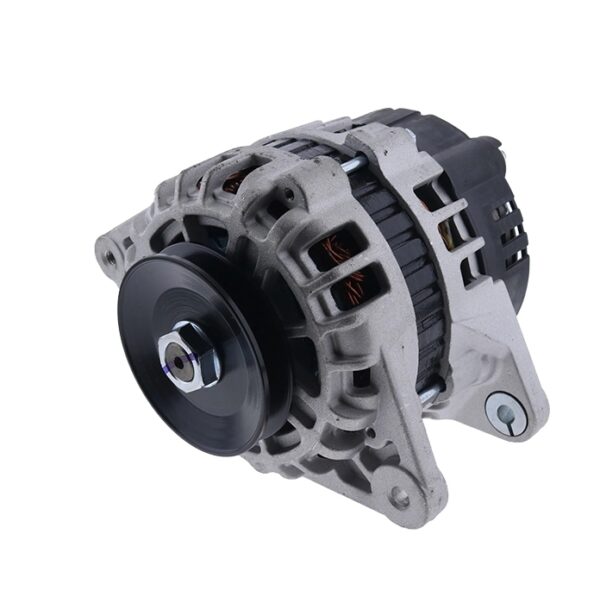
An alternator is a device used to generate alternating current (AC) electricity and is typically located at the front left of the engine. It operates on the principle of converting mechanical energy into electrical energy, essentially charging the battery as it runs. When the alternator’s rotor (usually a set of magnets) rotates, it creates a changing magnetic field around the wire coils, inducing an electrical current. The alternator regulates voltage to supply the required power for the equipment’s components to operate. If the battery runs out of charge, the alternator cannot recharge it.
What is a starter?
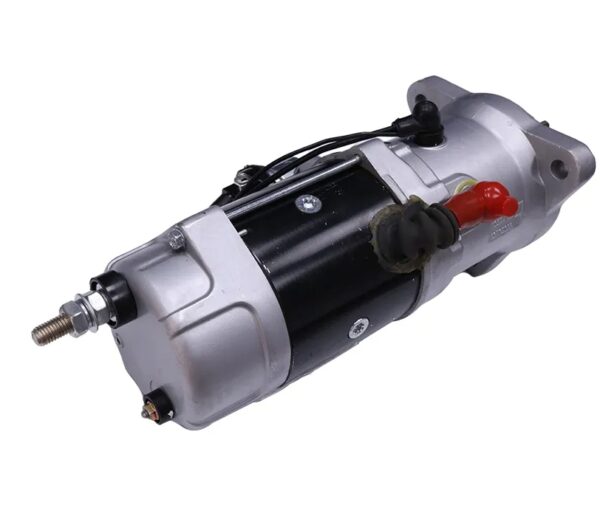
The starter, also named the starter motor, is positioned at the bottom left of the engine and is responsible for initiating the engine’s operation. It functions by connecting to the battery via a solenoid, which then transfers electrical energy to the starter motor. Simultaneously, it engages the starter gear with the flywheel of the engine. When you turn the key or press the button to start the vehicle, the solenoid energizes, causing the starter motor to rotate. The starter requires a large current during startup, hence needing sufficient battery charge. If the car cannot start but the battery is in good condition, it could be due to a faulty starter. Therefore, if the engine takes time to start, the starter might be the issue.
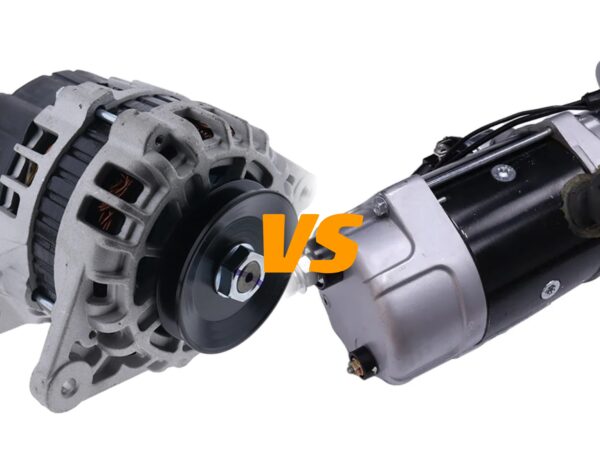
Heavy-duty alternator vs starter motor
| Feature | Alternator (The Power Plant) | Starter Motor (The Ignition Spark) |
|---|---|---|
| Primary Job | Charges the battery and powers electronics while the engine is running. | Uses battery power to turn the engine over to start it. |
| When It Works | Continuously when the engine is on. | Only for a few seconds during startup. |
| Key Failure Sign | The engine starts but may die later; electrical problems (dim lights, slow windows). | The engine fails to crank or makes a clicking/grinding noise. |
| Battery Impact | A bad alternator will drain a good battery while you operate. | A bad starter won’t work even with a fully charged battery. |
They rely on each other—when starting the heavy-duty equipment, the starter needs power from the battery to initiate the engine, while the alternator charges the battery as the engine runs to replenish the energy consumed by the starter. Together, they ensure smooth engine starts and battery charging. Thus, when one component malfunctions, others may encounter issues, making it challenging to pinpoint the problem.
Signs of a Bad Alternator
If the alternator is failing, your equipment will usually start but won’t run for long. The key is that electrical problems appear while the engine is running.
- Dim or Flickering Lights: Headlights and dashboard lights may dim, flicker, or get unusually bright.
- Slow Accessories: Power windows or other electrical components operate more slowly than usual.
- Warning Light: The “ALT,” “GEN,” or battery-shaped indicator light on your dash illuminates.
- Dying Engine: The engine starts fine, but dies after a while as the battery drains.
- Strange Noises: A grinding or whining noise from the front of the engine can indicate failing bearings in the alternator.
- Burning Smell: A smell of burning rubber or hot wires could point to a struggling alternator.
Signs of a Bad Starter
A faulty starter prevents the engine from turning over in the first place. The key is that your electronics have power, but the engine won’t crank.
- The “Click”: You turn the key and hear a single, sharp click, but the engine doesn’t turn. This is the most classic sign.
- No Response: All the lights on the dashboard work, but nothing happens when you try to start the engine.
- Grinding Noise: A loud grinding sound during startup means the starter gear is failing to engage properly with the flywheel.
- Smoke or Burning Smell: Smoke coming from the starter area indicates it’s overheating and needs immediate attention.
- Jump Start Fails: Even with a jump start, the engine still won’t crank (though the lights may get brighter).
Understanding and maintaining your heavy-duty equipment is essential to ensure its longevity and proper functioning. If you suspect issues with the heavy-duty alternator or starter, it’s crucial to take your construction machinery to a professional service station for inspection and repair. Otherwise, it may lead to damage to other electrical components.
Regular maintenance and upgrades for alternators and starter motors
Though knowing the difference between an alternator and a starter motor, maintenance is critical for the proper functioning of alternators and starters. Through regular checks and timely repairs, you can ensure the reliability and performance of these crucial components. At FridayParts, we offer a wide range of high-quality automotive parts. If you need to upgrade your alternator or starter motor, please contact us. Timely professional assistance can help you maintain your heavy-duty equipment’s good condition and avoid potential issues.
