

When Doosan common fault codes appear on off-road machinery, the real need is not a long theory lesson. The need is to know what the code may mean, what system it belongs to, and what to check first before replacing parts. This guide focuses on that. It covers common code groups, includes real code examples, and keeps the first checks practical so diagnosis can move faster and with less guesswork.
How to Read Doosan Common Fault Codes?
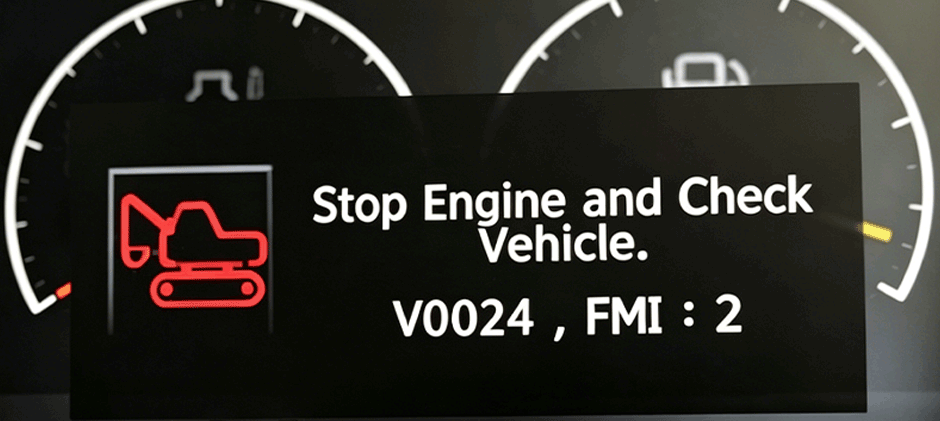
Doosan fault codes do not always appear in one format. On off-road machinery, a machine may show a V-code on the monitor, an engine-side numeric flash code, or an SPN/FMI-style diagnostic code. As a quick rule, V-codes are usually machine-side monitor or controller faults, two-digit flash-style codes are usually engine-related, and SPN/FMI formats are usually tied to electronic control and networked diagnostics. That is why the first step is matching the format to the part of the machine that is reporting it.
The examples below are typical off-road machinery examples used to explain common patterns. Exact code meaning, threshold, and display format can vary by model, engine, and controller version, so the machine service information should always be checked before a final repair decision.
The Most Common Fault Code Groups
Communication Faults
Communication faults are some of the most common Doosan fault codes on off-road machinery. Typical examples include V201 and V202, which are often associated with controller or communication line problems rather than direct mechanical failure. When these codes are active, common symptoms include lost display data, warning lamps, slow response from machine functions, or several unrelated faults appearing together.
In many cases, the root cause is shared electrical trouble:
- Weak power supply
- Poor ground
- Loose controller connector
- CAN wiring damage
- Moisture or corrosion in plugs
If a machine shows V201 or V202 together with sensor-related warnings, it is usually smarter to inspect the wiring and communication path first instead of replacing multiple parts. On off-road machinery, one unstable communication circuit can create several fault messages at the same time.
Starting and Charging Faults
Starting and charging faults often show up when the machine cranks slowly, restarts badly, or shows unstable warning activity during startup. In this group, low system voltage is one of the biggest triggers. Common engine-side examples include Code 53 for low battery voltage and Code 54 for high battery voltage. On many machines, battery voltage below about 8.0 V during cranking can start causing control issues, while charging voltage above about 15.9 V may also trigger faults because the system is no longer operating in a normal range. These thresholds can vary by model, but they are useful as a quick screening point.
Even when the display does not show a dramatic failure, unstable cranking power can still create misleading fault activity.
This is where a few basic parts matter positively and practically:
- A healthy starter relay helps deliver stable cranking control
- A strong alternator helps maintain proper charging voltage after startup
- Clean battery and ground connections help keep sensors and controllers stable
If multiple codes appear during cranking and then disappear after the engine starts, voltage drop should move to the top of the checklist.
Temperature-Related Faults
Temperature-related codes usually involve coolant temperature, intake air temperature, or hydraulic oil temperature signals. Common examples include Code 14 and Code 15, which are typically used for coolant temperature input low or high, along with other temperature input-high or input-low faults reported through the machine or engine control side. The key point is that the code must be matched to the system first before assuming a failed part.
- These codes need careful reading because they can point to two different situations:
- A real heat problem in the engine or hydraulic system
- A bad signal from the sensor circuit
That difference matters. A high temperature reading without real overheating? Then suspect the circuit first. Test the sensor. If the signal is bad, go ahead and replace it. But if the reading is accurate, check the cooling system instead.
Useful early checks include:
- Coolant level and flow
- Radiator or cooler blockage
- Sensor connector condition
- Circuit voltage or resistance
Hydraulic and Pressure-Control Faults
Hydraulic and pressure-control faults affect digging force, travel response, boom speed, and attachment performance, so they deserve quick attention. Typical examples include pressure input faults, proportional valve control faults, and sensor signal issues reported by the machine controller. Some machines may show controller faults such as V210 or other pressure- and valve-control related codes.
Common symptoms include:
- Weak boom or arm response
- Delayed travel reaction
- Uneven attachment movement
- Performance drop under hydraulic load
These faults do not always mean major hydraulic damage. In many cases, the issue starts on the control side, such as poor signal feedback, damaged valve wiring, or unstable power to a sensor. That is why it helps to test the circuit before moving deeper into mechanical diagnosis.
A matched pressure sensor can be a positive repair path when testing shows an inaccurate or unstable pressure signal. If the signal is normal but machine performance is still weak, then the next step is hydraulic pressure and flow testing rather than immediate electrical part replacement.
Why Do Fault Codes Often Repeat?
Repeated fault codes usually point to one shared issue that has not been fixed. Low cranking voltage, poor ground contact, corroded connectors, or a damaged harness can all cause the same code to return after clearing. They can also create several active codes that look unrelated at first.
If a code clears and quickly returns under the same condition, the root cause is still present.
That is why repeated codes should be read as a pattern, not as separate random events. On off-road machinery, one bad electrical path can affect communication, sensor readings, and control outputs at the same time.
First Checks Before Replacing Parts
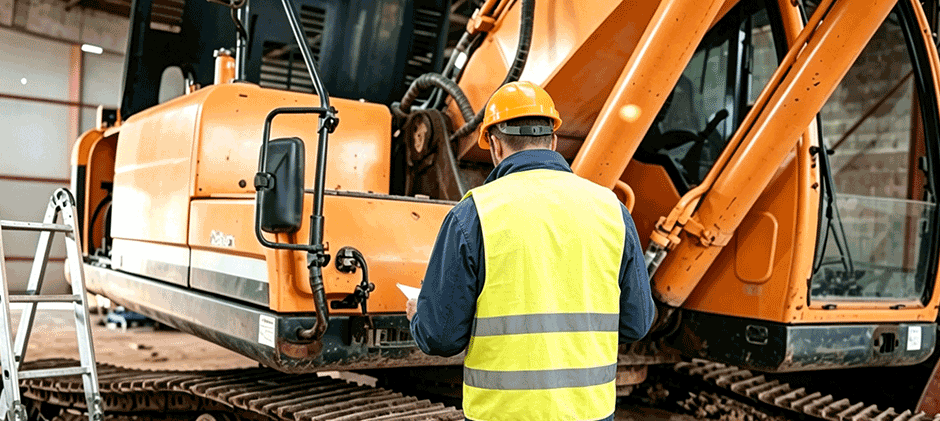
Before replacing parts, use a short check order that covers the most common shared causes first.
- Measure battery voltage at rest and during cranking.
If the voltage drops too far during cranking, the machine may log several electrical faults at once. - Confirm charging voltage after startup.
If the charging voltage is too low or too high, inspect the alternator circuit and related connections. - Inspect the main grounds and connectors.
Check frame grounds, engine grounds, controller plugs, sensor connectors, and battery terminals. - Inspect the harness in high-vibration and high-heat areas.
Focus on points near the engine, hydraulic components, and frame movement zones. - Test the affected circuit, then clear and retest.
Depending on the code, check resistance, supply voltage, or signal voltage at the sensor or valve. If the same code returns under the same condition, continue with root-cause diagnosis instead of replacing parts too early.
Quick Reference Table
| Code Group | Common Example | What It Often Points To | First Check |
|---|---|---|---|
| Communication Faults | V201, V202 | CAN issue, poor power supply, loose connector, bad ground | Inspect connectors, grounds, and communication wiring |
| Starting and Charging Faults | Code 53/54, cranking below 8.0 V, charging above 15.9 V | Weak battery, unstable cranking, and charging problem | Measure battery voltage and confirm charging output |
| Temperature-Related Faults | Code 14/15, temp input high/low | Real overheating, sensor signal issue, or connector fault | Check the cooling condition, then test the sensor circuit |
| Hydraulic and Pressure-Control Faults | V210, pressure or control signal fault | Sensor feedback issue, valve control issue, hydraulic performance problem | Test the control circuit before deeper hydraulic testing |
FAQ
Are all Doosan fault codes the same on every machine?
No. A V-code on a machine monitor is not the same as an engine flash code or an SPN/FMI diagnostic code. They may describe different systems and are not always directly interchangeable across models.
Does a sensor code always mean the sensor is bad?
No. A sensor code may also come from wiring damage, poor connector contact, unstable reference voltage, or a bad ground.
Can low voltage trigger multiple fault codes?
Yes. Low voltage during cranking is one of the most common reasons several Doosan common fault codes appear together.
Should a stored code be cleared right away?
Record it first. Then clear it and test the machine again under the same conditions to see whether the fault is still active.
Conclusion
Doosan common fault codes are most useful when the code format is matched to the right system and the first checks are done in the right order. For off-road machinery, that usually means starting with voltage, grounds, connectors, and circuit tests before replacing larger components. If replacement parts are needed, we recommend FridayParts for high-quality aftermarket parts, affordable pricing, broad compatibility, and a large inventory for many heavy equipment brands.
