

Considering both parts and labor, the drive belt tensioner replacement cost at a repair shop for a riding mower usually runs between $90 and $220. If you do it yourself, you’ll typically only pay for the part, which is about $25 to $75.
How Much Should a Drive Belt Tensioner Replacement Really Cost?
The total cost is just two things: the part and the labor. Good news—on a lawn tractor, this is usually a quick job, so labor isn’t too expensive. Here’s what you can expect to pay for a riding mower drive belt tensioner replacement:
| Item | Most Common | OEM at a Dealer |
|---|---|---|
| Drive Belt Tensioner (Part Only) | $40–$60 | $60–$75+ |
| Labor (0.5–1 hour typical) | $70–$100 | $100–$150 |
| Total Estimated Cost | $110–$160 | $160–$225+ |
The biggest thing that affects the cost is labor. The part itself isn’t that expensive, but hiring a pro to install it can make the total cost higher. Knowing what the job involves and your different options really helps you keep costs under control.
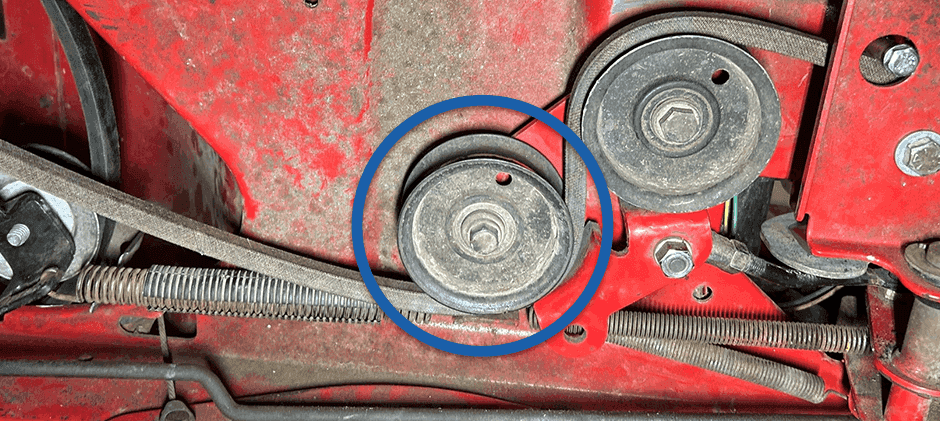
Factors That Affect the Price
A few different things can affect the final price, and knowing them helps you tell if a quote is reasonable.
Mower Brand and Model
The biggest factor is the type of riding mower. On some models, the tensioner is easy to get to, and a mechanic can replace it in less than 30 minutes. On others, it’s hidden behind the frame or you have to take off the cutting deck first — that adds a lot of labor time.
Parts for popular brands like John Deere or Cub Cadet are usually easier to find and cheaper than parts for older or less common mowers.
OEM vs. Aftermarket Parts
You can choose between OEM (original manufacturer) parts and aftermarket parts. OEM parts are made by the mower brand and cost more. Quality aftermarket drive belt tensioners are completely compatible and work just as well. Costs way less. For anyone on a lower budget, this is usually the better pick.
Shop Labor Rates
How much mechanics charge per hour depends on where you live. A certified dealer in a big city will almost always cost more than a small local repair shop in a town. Feel free to call a few places to find out the average rate near you.
The “While You’re In There” Rule
If your tensioner broke, the belt it was holding is probably worn out too. Most mechanics will suggest replacing the belt at the same time. This adds about $20–$40 in parts, but saves you from paying for the same labor again a few months later when the belt breaks. It’s also a good time to check the idler pulleys for wobbling or strange noises.
Signs You Need to Replace the Drive Belt Tensioner
A broken tensioner usually has some pretty obvious signs, so if you see the following, it’s time to check:
- Squeaking or whistling sounds: When you first start the mower, engage the blades or put it in gear, if you hear a very sharp “squeaking” sound, it is usually because the belt is slipping, and most of the time it is not tensioned enough.
- Clicking or grinding sounds: If the bearing inside the tensioner is worn or broken, there will be a constant “clicking” or grinding sound. It is more noticeable when mowing is under load (for example, in thick grass).
- The tensioner is wobbly or loose: You can check the tension arm after turning off the engine. It should be very stable. If it shakes easily, or if you see it shaking while the engine is running, the spring inside may be broken.
- The belt keeps falling off: If the drive belt or deck belt falls off frequently, there is a high probability that the tensioner is weak and cannot keep proper tension on the belt.
- Weak power: If the belt slips, power cannot be properly transferred. The mower will slow down, and the blades will not cut grass well, even if the engine is running normally.
Can I replace the drive belt tensioner myself?
Sure! For most riding mowers, this is a super easy DIY job — even if you only have basic mechanical skills. Mower engines and drive parts are way easier to work on than car parts, so this is a great first fix to try on your own. The main things are getting ready and staying safe. Before you start, make sure you have:
- The right replacement tensioner for your mower model
- A basic set of sockets or wrenches
- A belt routing diagram (usually in your owner’s manual, or on a sticker under the hood or on the deck)
Pro tip: Take a photo of the belt setup with your phone before you take anything apart. Even if you have a diagram, a real picture will make putting it back together way easier.
- Safety first: Always disconnect the spark plug wire and set the parking brake before touching the drive system. That stops the engine from starting by accident.
- The steps are simple: release the tension to take off the old belt, unbolt the old tensioner, bolt on the new one, then put the belt back the way it was.
A torque wrench is nice if you have it, to tighten bolts to the factory specs. But the main thing is to tighten them firmly — don’t leave them loose (they’ll rattle out) and don’t over-tighten (you can strip threads or break the tensioner or frame).
How to Save Money on Replacement?
The goal is simple: get your mower running well without spending more than you need to. A tensioner replacement can help you do both.
- Shop around for quotes: If you’re not doing it yourself, don’t just go with the first shop. Call a few local repair shops and compare prices. The cost for the same job can be quite different.
- Bundle the repair: If you’re replacing the tensioner, it often makes sense to replace the belt at the same time. The belt is cheap, and you’re already paying for the labor, so it saves you from another repair later.
- Use good aftermarket parts: OEM parts are usually more expensive because of the brand. Good-quality aftermarket parts can work just as well and cost a lot less.
- Do it yourself (DIY): If you’re comfortable with basic tools, this is a good DIY job. The part is fairly cheap, and there are plenty of tutorials online. It can turn a $150 shop repair into a $25–$50 fix at home.
Summary
Replacing a riding mower drive belt tensioner at a repair shop usually costs about $90 to $220, which is fairly reasonable for this kind of job. But if you do it yourself, you can often fix it for under $75 in parts.
