

If your machine throws a P0171 code, the engine is running too lean on Bank 1. That usually means one of three things: too much air is getting in, not enough fuel is getting through, or a sensor is sending bad data. For off-road equipment owners, the key is simple — know how serious the problem is, what symptoms to watch for, and what to check first. This guide gives you a clear path to narrow down the cause so you’re not replacing parts for no reason.
Quick Answer
A P0171 code means the engine control system has detected a lean air-fuel mixture on Bank 1. In many off-road machines, the usual suspects are a leaking intake hose, a dirty or bad MAF sensor, weak fuel delivery, or an oxygen sensor that’s reading incorrectly. The machine might still run for a while. But if you notice power loss, hesitation, rough idle, or misfire, don’t wait too long. Start by checking the air intake system, the MAF sensor, and the fuel supply side.
Common Symptoms of P0171 Code
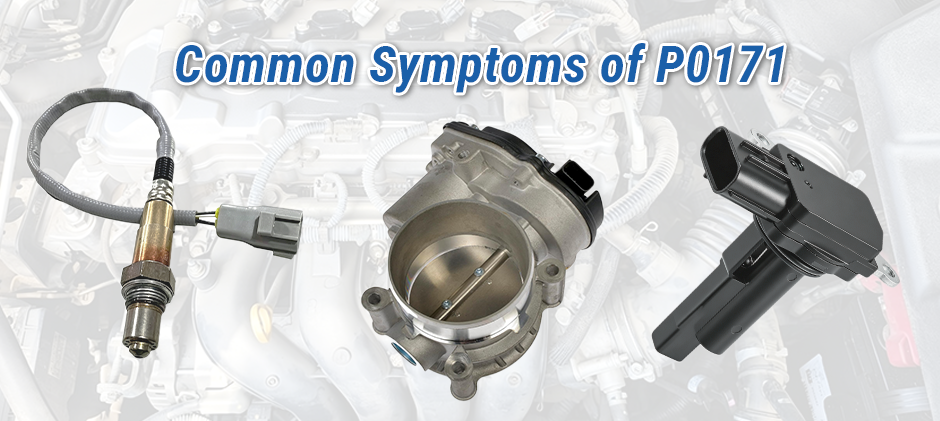
A P0171 code does not always feel the same on every machine. Symptoms often depend on engine size, load, and jobsite conditions.
Common symptoms include:
- Check engine light
- Rough idle
- Hard starting
- Hesitation during acceleration
- Weak throttle response
- Engine stumble
- Poor fuel economy
- Loss of power under load
- Misfire in some conditions
For off-road machinery, the symptoms often become more noticeable during actual work instead of being idle.
For example:
- An excavator may idle normally, but hesitate when the operator asks for hydraulic power
- A skid steer may feel weak when pushing into a pile
- A telehandler may show poor response during lifting
- A wheel loader may lose pulling power when climbing or carrying a full bucket
This is why operators often say the machine “runs okay at first, but feels weak when working.” That pattern fits a lean condition very well.
Most Common Causes of P0171 Code
Not every cause of a P0171 code is equally likely. On off-road machinery, the problem usually falls into four main areas: an intake leak, a dirty MAF sensor, a fuel delivery problem, or an upstream O2 sensor issue.
1. Intake Leak
This is often the first thing to check. If extra air enters the engine after it has passed the normal measurement point, the control system may not account for that air correctly. The result is a lean mixture and a P0171 code.
On heavy equipment, this type of problem is common because heat, dust, and vibration gradually weaken hoses, seals, and connections. Once a leak is confirmed, the repair may involve replacing the intake hose, installing new hose clamps, fitting a new intake boot, replacing the intake manifold gasket, or renewing worn vacuum hoses and breather hoses. Even a small leak can lead to poor idle, hesitation, or unstable running, so restoring a proper seal is often the first and most effective fix.
2. Dirty or Faulty MAF Sensor
A mass air flow sensor measures the amount of air entering the engine. If it becomes dirty or starts reading low, the engine control system may command too little fuel. This is especially common on machines working in dusty environments such as farm fields, demolition sites, mining areas, and dry grading conditions.
A dirty sensor may not fail. It may simply become inaccurate enough to create a lean condition. In some cases, cleaning helps. If not, replacing the MAF sensor may be the proper fix.
3. Fuel Delivery Problem
If the engine does not receive enough fuel, it can also run lean. This often becomes more noticeable under load, when the machine needs a stronger and more consistent fuel supply.
After confirming low flow or low pressure, the repair may involve installing a new fuel filter, replacing the fuel pump, repairing a damaged fuel line, or renewing other fuel supply components as needed. These repairs help restore stable fuel delivery and improve engine response during work.
4. O2 Sensor Issue
An upstream O2 sensor can also contribute to a P0171 code, but this is usually checked after the intake and fuel system basics. Air leaks, airflow measurement errors, and fuel delivery issues are generally more common than a failed sensor.
If the intake and fuel systems check out normally, attention may turn to sensor feedback. When testing confirms inaccurate readings, replacing the upstream O2 sensor can help restore proper mixture correction and support more stable engine operation.
How to Fix a P0171 Code?
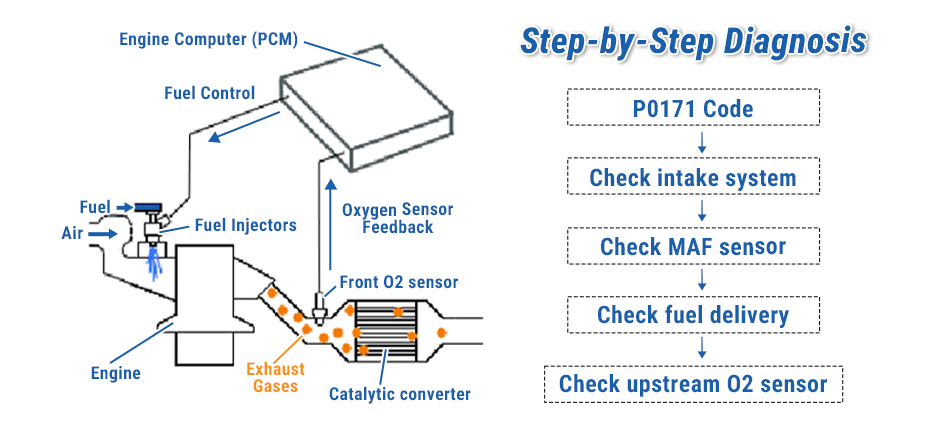
The right fix depends on the confirmed cause, but in most cases, the best approach is to start with the simplest and most common problems first.
1. Repair any intake leaks
Inspect the intake hose, clamps, boots, manifold sealing areas, and small vacuum or breather hoses. If unmetered air is entering the engine, fixing the leak may solve the problem immediately.
2. Clean or replace the MAF sensor
If the intake system looks normal, check the mass air flow sensor for dirt or damage. In dusty off-road environments, a contaminated MAF sensor is a common cause of a lean code. Cleaning may help, but if the readings remain inaccurate, replacement may be necessary.
3. Check the fuel supply system
If the air side checks out, move to fuel delivery. A clogged fuel filter, weak fuel pump, or restricted fuel line can reduce fuel flow enough to trigger a P0171 code, especially under load. If testing confirms low fuel pressure or poor fuel flow, the repair may involve installing a new fuel filter, replacing the fuel pump, repairing a damaged fuel line, or renewing other fuel supply components as needed. These repairs help restore stable fuel delivery and improve engine response during work.
4. Test the upstream O2 sensor
If no intake or fuel problem is found, then check whether the upstream O2 sensor is reporting correctly. A faulty sensor can cause incorrect fuel correction, although this is usually less common than an intake or fuel issue.
5. Clear the code and confirm the repair
After the problem is fixed, clear the code and run the machine again. If the lean condition does not return and the machine runs normally under load, the repair was likely successful.
In most cases, the fastest way to fix a P0171 code is not to replace parts at random, but to follow a simple order: intake first, airflow second, fuel third, sensor last.
How Serious Is a P0171 Code?
The seriousness of a P0171 code depends on how the machine is running. A warning light by itself is usually less urgent than a code with clear drivability problems.
| Condition | Recommendation |
|---|---|
| Check engine light only, no clear symptoms | Short-term operation may be possible |
| Light hesitation or rough idle | Diagnose soon |
| Power loss under load | Avoid heavy work |
| Misfire | Stop the operation if possible |
| Stalling or hard starting | Immediate diagnosis needed |
If the machine still runs normally and only the warning light is on, short-term operation may be possible. But if you notice power loss under load, hesitation, misfire, or stalling, the problem should be diagnosed as soon as possible. A lean condition can raise combustion temperature and place extra stress on engine components if ignored.
FAQ
Can a P0171 code clear itself?
Sometimes the code might go away on its own if conditions change, but the root problem usually stays. If the machine has an air leak or weak fuel delivery, the code will likely come back.
Does P0171 always mean a bad oxygen sensor?
No. A lot of the time, it’s an intake leak, a dirty MAF sensor, or a fuel delivery issue.
Can a dirty air intake system cause P0171?
Yes. Dust, poor filter sealing, damaged ducting, or contamination around the MAF sensor can all play a part.
What should I check first?
Start with the intake system. Then the MAF sensor. Then the fuel supply side.
Can low fuel pressure cause P0171?
Yes. A weak fuel pump or a clogged fuel filter can cut fuel flow enough to trigger a lean code.
Conclusion
A P0171 code on off-road machinery usually comes down to a few common problems: an intake leak, a dirty MAF sensor, weak fuel delivery, or — less often — an O2 sensor issue. The smart move is to check the simplest and most likely causes first. If you need replacement parts, FridayParts has quality aftermarket options, affordable pricing, wide compatibility, and a large inventory for heavy equipment.
