

From unusual noises to fluid leaks, noticing any other signs of power steering pump failure means you need to enhance your safety experience. Recognizing these dangerous signals in advance can ensure a safer driving experience. If you notice failing signs, there’s nothing better than getting it repaired.
How Does A Power Steering Pump Work?
A power steering pump is driven by the mechanical energy of the engine. It draws hydraulic fluid from the reservoir, pressurizes it, and then delivers it to the steering system. This pressure assists the driver in turning the steering wheel, making the steering process much easier.
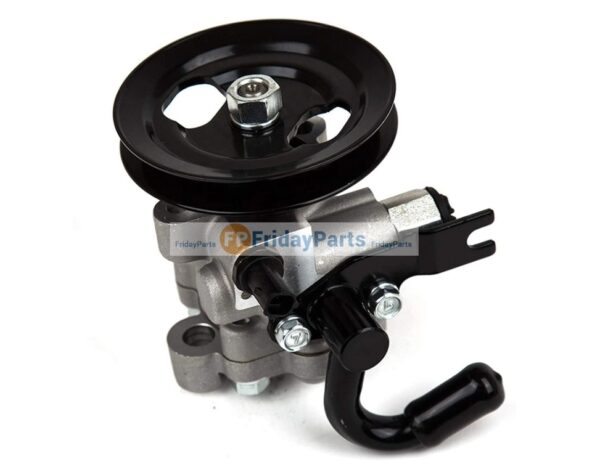
Signs of Power Steering Pump Failure
When the steering pump fails, you may feel resistance in the wheel, hear strange noises, or even notice fluid leaks. Ignoring these signs could lead to a complete loss of power assist, making your machinery much harder (and less safe) to drive. We’ll describe common symptoms of the bad pump one by one.
- Unusual noise when turning wheels: If you hear a whining noise when turning the steering wheel, it could mean there’s a problem with the power steering system. This might be due to a leak in the steering pump or low steering fluid. Prolonged issues can damage the entire system, so replacement is crucial.
- Slow steering wheel response: When the steering wheel is slow to respond when turning, the steering pump might be failing. You may also hear unusual noises, making replacement urgent if both symptoms occur
- Heavy steering wheel: A very heavy steering wheel suggests a possible failure in the power steering pump, indicating the power steering system is not working properly.
- Foamy or milky power steering fluid: If you see foam or milky fluid when checking the power steering fluid, it means the pump’s seals are damaged and air is entering the system.
- Shaking or vibrating while turning: If the steering shakes or vibrates, it could be due to a pump imbalance or an issue with the steering mechanism.
- Power steering fluid leak: Finding hydraulic oil leaks near the steering pump or hoses, or oil spots on the ground, suggests a breach in the seals, broken hoses, or loose connections. See Why Is My Power Steering Fluid Leaking here.
- Discolored or smelly power steering fluid: If the power steering fluid is dark or has a burnt smell, it indicates overheating or contamination, reducing its effectiveness.
- Power steering warning light: When the power steering warning light on the dashboard turns on, it indicates a problem with the system.
What Causes A Power Steering Pump to Go Bad?
Power steering pump failure can be caused by several factors. Understanding these causes can help in timely diagnosis and repair, ensuring the smooth operation of vehicles and off-road machinery.
- Insufficient or Contaminated Hydraulic Fluid: Low fluid levels can cause the pump to run dry, creating air bubbles and noise, eventually damaging the pump. Dirt, metal shavings, or other debris in the hydraulic system can damage the pump’s internal components. Aged fluid reduces lubrication, increasing pump wear.
- Mechanical Wear: Over time, components like pump blades or gears, bearings, and seals can wear out, reducing pump efficiency and causing noise due to rough operation.
- High System Pressure: Increased pressure puts extra stress on the pump, accelerating wear.
- Belt Issues: A loose or worn belt connecting the engine to the steering pump can prevent effective power transmission.
- Improper Installation: Incorrect alignment of the steering pump increases load and wear. Regular maintenance is essential to prevent lubrication issues and part aging.
- Frequent or Aggressive Steering: Repeated and forceful steering maneuvers increase the pump’s workload, leading to overheating and wear.
- Overloading or Harsh Conditions: Operating the vehicle or machinery under heavy loads or in extreme conditions exacerbates pump stress and wear.
Can You Operate with A Bad Power Steering Pump?
Technically, yes. But we don’t recommend it. A faulty steering pump might not stop your vehicle from moving, but it will make steering harder and more unpredictable, especially at low speeds or when parking. If you continue to operate, you may even run into the following issues:
- Damage to the steering rack
- A seized pump and broken belt
- A sudden loss of power assist
If you’re wondering whether the steering pump goes bad, you may already be experiencing it. Don’t wait for it to get worse, especially if your steering is getting harder or noisier by the day.
How Can You Diagnose Power Steering Pump Issues?
When you confirm you’ve got a bad steering pump, you can do a full inspection of your power steering system yourself. That includes:
- Checking fluid level and condition
- Inspecting the pump, hoses, and reservoir for leaks
- Listening for abnormal noises
- Checking belt condition and tension
- Performing a pressure test when necessary
Then, you can make a decision on whether it’s a fluid flush, a new pump, or a simple belt replacement. See Is It A Bad Power Steering Pump or A Bad Rack and Pinion?
Cost of Power Steering Pump Replacement
The cost of replacing a steering pump varies based on factors like vehicle type, pump brand and model, location, and labor fees. For heavy-duty trucks and construction equipment, total costs can range from $500 to $1300. For a more budget-friendly option, aftermarket parts and DIY replacement can significantly reduce costs, with average expenses as low as $100. Check the cost of the steering pump now. For more deals, you can check the coupons page. Please click here and use it before purchasing.
Frequently Asked Questions
How long does it take to replace a power steering pump?
Generally, it takes about 2 to 3 hours, depending on your vehicle type.
How much does it cost to replace a power steering pump?
The steering pump replacement costs vary depending on the make and model of your vehicle, your location and parts accessibility. For heavy-duty trucks, the total costs range from $500 to $1300. You can choose an aftermarket steering pump and DIY replacement for less, often $100.
Can I just add fluid to fix the power steering pump problems?
If you’re low on fluid, adding it may provide temporary relief. But if the fluid keeps dropping, or if you’re hearing noises, the pump may already be damaged. Replacing it with a high-quality one could be a wiser choice.
What color is the power steering fluid?
The power steering fluid is typically red or amber. If it goes dark or contains particles, you may need a flush or replacement.
What happens if I ignore a bad power steering pump?
You risk total power steering loss, pump failure, or damage to other steering components. All these can be dangerous and more expensive to fix.
Conclusion
A failing power steering pump is more than just an inconvenience. It’s a safety risk that gets worse the longer you ignore it. Catching the symptoms early and acting fast can save you from costly repairs down the road. If your steering feels heavy, noisy, or unresponsive, it’s time to inspect your pump and replace it before things get worse. FridayParts, with over 15 years of experience in the aftermarket heavy equipment parts, provides a vast selection of power steering pumps for you to choose. Explore now!
