

If you service your equipment regularly, the repair crew may sometimes suggest a radiator flush. But is this really necessary? Or is it just an optional add-on in routine maintenance? What exactly does coolant do when the equipment is running anyway? And when should you actually consider doing the radiator flush?
What Is a Radiator Flush?
A radiator flush—also called a coolant flush—is a full maintenance job for your machine’s cooling system. It’s more than just putting out the old coolant and adding some new. True radiator flushing is to run the cleaning fluid through the entire cooling system —not only the radiator, but also the engine block, heater core, and all water pipes. This way, we can flush out old antifreeze, rust residue, scale, sludge and other dirty things together to avoid problems in the future.
You can think of it like a deep clean and a fresh blood transfusion for your engine’s cooling system. On a big, complicated piece of heavy equipment, a basic drain and refill might only swap out 50-60% of the old fluid. But a flush makes sure almost 100% of that old, useless coolant and damaging crud is gone—before you add in the new, protective coolant.
What Does a Radiator Flush Do?
Coolant (antifreeze) does two main things: First, when the equipment is doing heavy work, it helps the engine cool down so that it does not overheat; second, when the weather is cold, it prevents the system from freezing and being damaged. But after using it for a long time, the coolant will “age”. The anti-rust and anti-corrosion ingredients in it will slowly be used up, and the liquid itself will become dirty and spoil. A full radiator flush comes with some really solid benefits:
- Flushes out old, worn-out coolant: The chemicals in the coolant that fight corrosion and handle extreme temperatures stop working after thousands of hours of use. A flush gets rid of all this useless old fluid completely.
- Removes harmful gunk: Over time, rust, scale (easier with hard water), and mud and sand can accumulate in the cooling system. These small particles can wear down the water pump seal. It is also easy to block the small water channels in the radiator, making the cooling effect decrease.
- Restores cooling efficiency: Clearing clogs and gunk from the radiator core lets the system work as it should. That keeps the engine running at the right temperature, boosting performance and saving fuel.
- Lubricates and protects the water pump: Fresh coolant has special additives that lubricate water pump seals, extending the life of this key part—after all, water pumps are usually a pain to get to and fix.
- Prevents future problems: Flushing out corrosive gunk and refilling with properly mixed, high-quality coolant stops new rust and scale from forming. This protects expensive parts like the engine block, cylinder heads, and radiator.
When Do You Need a Radiator Flush?
Figuring out when to flush the cooling system is key to avoiding failures in advance. Although there will be obvious problems if the system is not maintained properly, the best way is to actively maintain it according to the conditions of your own machine. The first and most critical one: always read the manufacturer’s repair manual.
Each manufacturer will write down the recommended flushing cycle of the coolant, which is generally calculated based on the number of operating hours or service life. The first one to arrive will be the one you choose. This is the most reliable reference specifically for your machine. In addition to the manual, if you find the following situations, you must also rinse them immediately:
Engine Overheating
This is the most obvious and urgent signal. When working normally, the water temperature gauge is always too high, even rushing to the red zone, which means that the cooling system is no longer effective.
The Coolant Becomes Dirty and has Impurities
Once the engine is cool, open the radiator cap or look at the overflow tank. Normal coolant should be a bright color (such as green, pink, or orange) and clear and translucent. If you look at it rusting, browning, cloudy like milk (most likely mixed with motor oil), or with small particles floating in it, it means it is seriously contaminated and must be rinsed immediately.
Coolant Leakage
Water stains of coolant under the machine, or caked colored stains around hoses, clamps, and radiators, are leaks. Fix the leak first, then do a full system flush to ensure that a clean new coolant is added.
Strange Noise
If you hear grinding or whistling noises, there may be a problem with the water pump. Most of them are abrasive particles in the old coolant, which have damaged the bearings or seals of the water pump.
Poor Cab Heater Performance
The cab heater rests on the engine’s hot coolant. If it’s cold air blowing out, the heater core is most likely clogged with dirt, which also means the entire cooling system is already dirty.
How Do I Flush a Radiator?
Only operate after the engine has cooled. The cooling system is high temperature and pressure, and there is a high risk of burns. Allow the machine to cool completely for several hours. Wear protective gear like safety glasses and chemical-resistant gloves. Old coolant is harmful to the environment and animals. Catch with a large grease tray and handle according to local regulations. General operating steps (please refer to the OEM manual for each machine; oil drain plug position may be different)
Discharge Old Coolant
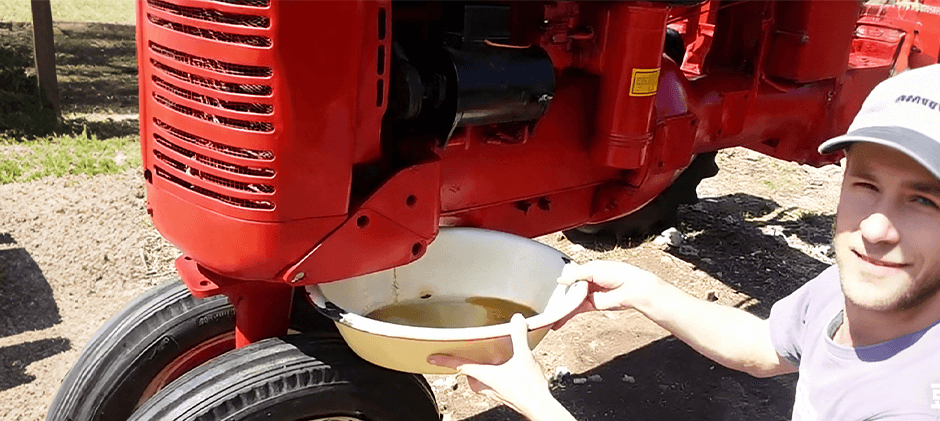
Place a large oil drain pan under the radiator. Open the radiator drain valve and drain the coolant. There may be other oil drain plugs on the engine block that also need to be emptied.
Add Cleaning Agent
After draining the liquid, close all drain plugs. Pour in a bottle of radiator cleaner and top up with distilled or deionized water. Do not use tap water; the minerals in it are prone to scale.
Circulating Cleaning Agent
Cover the radiator cap, start the engine, and let it run for 15-30 minutes (according to the washer fluid instructions). Turn on the cab warm air and let the cleaning agent circulate throughout the system, breaking down rust and sludge.
Cool and Discharge Again
Turn off the engine and allow it to cool completely. After cooling, drain the entire system again. The drained fluid may be dirty.
Flush with Water
Close the drain plug and add distilled water. Start the engine for 10-15 minutes to flush out any remaining washer fluid and debris. Cool the engine and drain it again. Repeat this step if the water is still dirty.
Add New Coolant
When the drained water is clear, you can pour new coolant. Check the manual to get the right coolant type (OAT, HOAT, or conventional fluid with SCA). Mix the concentrated coolant and distilled water 50/50 before pouring.
Air Exhaust Bubbles
To avoid bubbles, pour the coolant slowly. Remove the radiator cap and start the engine. You will see bubbles coming out of the radiator neck. Continue adding liquid when the liquid level drops until the bubbles disappear. Cover the radiator cap and fill the overflow tank to the correct level.
Summary
Clean the old coolant and the dirty things in the system thoroughly, and the cooling system can restore heat dissipation efficiency. It can also prevent corrosion and extend the service life of those critical components. If you find a leak during flushing, it is particularly important to replace it with a high-quality part. We have radiators, hoses, and pumps from a variety of heavy equipment brands here. With sufficient stock and a reasonable price, you can get your equipment back to work quickly and safely.
FAQs
How often should I flush my radiator?
This depends on the equipment manufacturer, the type of coolant used, and the environment in which you work. Generally, heavy equipment requires cooling system maintenance every 2,000 to 6,000 hours of operation or every 2 to 3 years —which comes first counts as which. But at the end of the day, the most reliable thing is to look through the original repair manual of your machine. If the machine is always working in gray or extremely hot places, then maintenance must be done frequently and quickly.
How long does it take to flush a radiator?
It took a little longer. Heavy-duty wading pen coolant has a large capacity and many drain ports. You have to wait for the machine to cool down completely between each step. You have to allow 2 to 4 hours for the entire process. If you encounter a particularly large and complex model, it will take even longer.
Is a radiator flush necessary?
Yes, a radiator flush is a preventive maintenance that must be done. Simply putting out the old liquid and adding new ones is useless. There will also be a large amount of dirty old coolant left in the engine block. These dirty things will directly contaminate the new coolant, greatly reducing the protective effect of the new coolant and requiring replacement after a short time. Compared with the cost of replacing a new radiator and water pump, or even the cost of overhauling the engine if it overheats and is scrapped, the cost of a proper radiator cleaning is simply not worth it.
