

Like any mower newbie, you may have questions: When should I cut grass? Can I cut wet grass? Things like this. In this guide, we’ll walk you through the best time of day to mow grass, the reasons you can’t cut wet grass, and how you can mow if you have to mow wet grass.
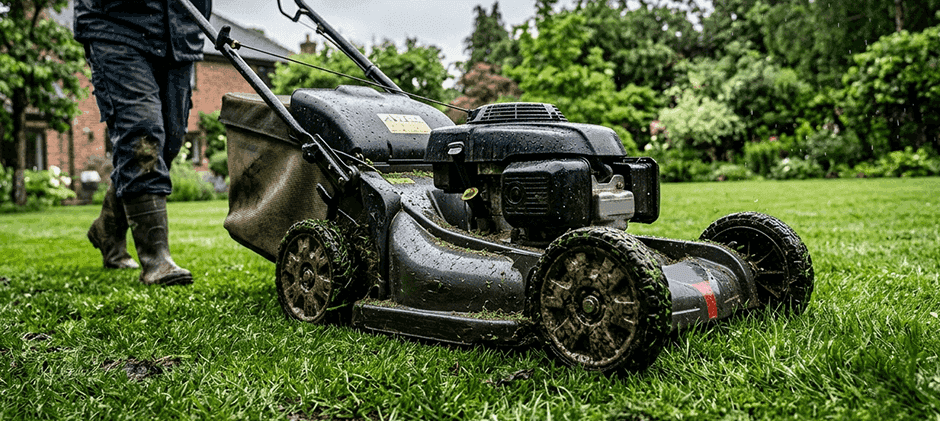
The Best Time to Mow
Everyone wants a lush, healthy lawn. Yet, keeping a lawn full and green isn’t just about watering and fertilizing. As industry expert Craig Elworthy says, even the time you grab your lawn mower and get to trimming can make a difference. So when is the ideal time?
The best time of day to cut your grass is late afternoon. Your grass should be dry by this time, and it shouldn’t be in direct sunlight. As Craig says, direct sunlight can stress freshly cut grass. Cutting your grass in late afternoon can minimize the impact of additional stressors. So, it’s recommended to cut your grass in the late afternoon or in the early evening for most climates. When you mow under these moderate conditions helps preserve the plant’s energy and supports root growth.
When Not to Mow Your Grass?
The worst time to cut your lawn is usually in the early morning. You might think it’s cool during that time. But the picture is quite the opposite. In the early morning, your grass remains wet with dew. Mowing wet grass can cause unexpected diseases to your beloved grass.
Another time to be avoided is midday. The sun is at peak strength, and the lawn is trying to get through it. If you mow it, you add more stress. Your lawn will shut down and enter a state of dormancy to protect itself.
A worst time for grass cutting is shortly after rains. Why?
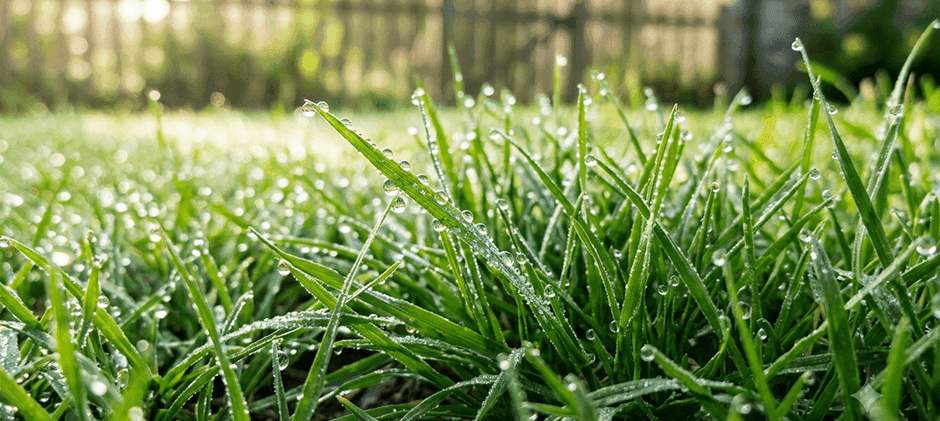
8 Reasons You Can’t Cut Wet Grass
If you live in Florida, you may be entering the rainy season when you start getting lightning storms nearly every afternoon. Only lasts 30 minutes or so, but dumps a lot of water. Many lawnkeepers may have this seemingly stupid question: Can I cut grass when it’s wet?
The short answer is “Yes”, but you shouldn’t. Mowing wet grass can expose the lawn to disease and damage and you to accidents. See the following 8 reasons not to cut grass when it’s wet.
Uneven Cuts
Wet grass clumps together and bends over, causing it to stand at varying heights. If you mow it, you’ll get a patchy, torn lawn.
Increased risk of disease
Wet grass is more prone to tear. And the combination of damage and wet conditions can allow fungal diseases to take hold. Cutting wet grass increases the risk of diseases like dollar spot, rust disease, brown patch, anthracnose, leaf spot and red thread. If your lawn has signs of disease, don’t mow when the grass is wet, says Dr. Aaron J. Patton, Professor of Horticulture and Turfgrass Extension Specialist at Purdue University.
Mower damage
Cutting grass when wey can be hard on your mower. The wet grass tends to clump and clog your mower, putting excessive strain on the engine. The clumps can lodge in the mower deck, restricting airflow and jamming the blades. The sticky wet grass can also dull your mower blades.
Safety hazards
Mowing after rains can make it hard to control your mower and keep your footing, especially on slopes and uneven areas. A fall can send you to the ER with a strain, a cut or severe injury. Besides, it can also put you at risk of being burned or shocked if water gets into the electrical connections or a frayed cord touches wet grass.
Soil compaction
The wet soil is more vulnerable to compaction from the weight of your mower. In turn, the compacted soil restricts root growth, making it harder for grass to absorb water and nutrients and may lead to poor water drainage.
Poor mulching
Wet grass can affect the performance of your mulching and bagging mowers. The wet clumps tend to build up on the mower deck and clog the blades and the discharge port, making it more difficult to push your mower.
Increased fuel consumption
Wet grass in the bag weighs more, so your mower works harder and burns more fuel for less output. And the wet blades also need more force to cut than dry grass blades.
Clothing Stains
You can get messy on your clothing if you mow wet grass. The clippings can stick to your shoes, the mower wheels and your clothes.
Got a weak blade? FridayParts carries quality mower blades for you.
What If I Have to Cut Wet Grass?
Sometimes, you want to give your grass a last mow before a short trip or a long rainy spell strikes and you can’t wait any longer. Here are 10 practical tips for cutting wet grass with the least damage:
- Raise your mower deck: Set your mower to 2 to 3.75 inches to prevent clogging, as recommended in Michigan State University turf guidelines.
- Sharpen your blades: Sharp blades make cleaner cuts on wet grass, reducing the risk of damage. See How to Sharpen Mower Blade here.
- Go slowly: Mowing at a slower pace reduces clumping and allows your mower to cut the wet grass more evenly.
- Overlap passes: Add a slight overlap to each pass with the mower to help catch any grass that was flattened or missed during the last pass.
- Avoid sharp turns: Make gradual, gentler turns instead of sharp ones to prevent tearing the wet grass or creating deep wheel ruts.
- Use side discharge: Switch to side discharge instead of recirculating them, reducing clogging and preventing grass clumping.
- Clean the mower deck as you go: You’d better stop and scrape wet clippings off the underside of the deck every 10 minutes.
- Clean the bag often: If you’re using a bagged mower, empty the clipping bag often to avoid a larger mess and help the mower’s efficiency.
- Rake clumped clippings: After mowing, use a rake to remove any clumped grass clippings that could smother the lawn and block sunlight, potentially leading to dead patches and fungal growth.
- Aerate compacted soil: If you find any wheel ruts or signs of soil compaction, consider aerating the area with a garden fork or aerator. Soil aeration involves perforating the soil to relieve pressure and improve air and water flow, helping to support a healthy lawn even after mowing in less-than-ideal conditions.
How Soon After Rain Should You Cut Grass?
How long do you need to wait before mowing grass after it rains? It depends on how hard it rained:
- Light rain or drizzle: Wait 2 to 5 hours before mowing.
- Heavy rainfall: Wait at least 24 hours. The soil needs time to drain, not just the blades to dry.
- Morning dew only: Typically clears by mid-morning on sunny days. Wait until you can’t see droplets on the blade tips.
To determine if your lawn is ready for mowing, here’s a simple test: reach down and check the grass’s bounce.
If it feels damp or clumpy, it’s still too wet. If the blades feel dry and spring back up, your grass may be ready to mow.
Also, you can take a walk through your lawn to test moisture levels.
If your shoes get damp or your footsteps leave visible marks in the soil, it’s better to wait a bit longer.
What Type of Mowers to Use for Wet Grass?
The table below helps you make a decision on the type of mowers for wet grass.
| Mower Type | Effort Required | Effectiveness on Wet Grass | Risk of Soil Compaction | Ideal for |
|---|---|---|---|---|
| Walk-behind mower | Moderate | Moderate. Better control and cutting but can still clog | Moderate. Heavier than manual, risk of ruts on especially wet soil | Medium-sized lawns, gentle slopes |
| Riding lawn mower | Low | High but still susceptible to clogging in especially wet conditions | High. Very heavy, likely to cause deep ruts | Large, flat lawns with moderate dampness |
| Robot lawn mower | None | High with regular use. Low if lawn is overgrown | Low | Consistent, short grass maintenance |
Wrapping up
When should I cut my grass? That’s a question many mower beginners ask. As the expert says, the best time to mow your grass is late afternoon or early morning. Avoid cutting in the early morning when your grass is wet with dew or mowing grass after rain. A wise solution is to wait until your grass gets as dry as possible. If you have to mow in damp conditions, follow the tips mentioned above to minimize the damage. Stay tuned to FridayParts; you can explore a vast selection of lawn mower parts and helpful knowledge on lawn care and lawn equipment maintenance & repair.
See Related
How to Keep Grass from Sticking to Your Mower Deck
