

If we compare motor oil to blood, then hydraulic hoses are blood vessels. In off-road machines, such as excavators, bulldozers, or forklifts, hydraulic hoses are crucial. They transport hydraulic fluid, which powers various parts of the machinery. Hydraulic hoses might seem straightforward, but with improper maintenance, they can be pretty dangerous. Now let’s delve into the common hydraulic hose failures to figure out its sickness and ways to heal it.
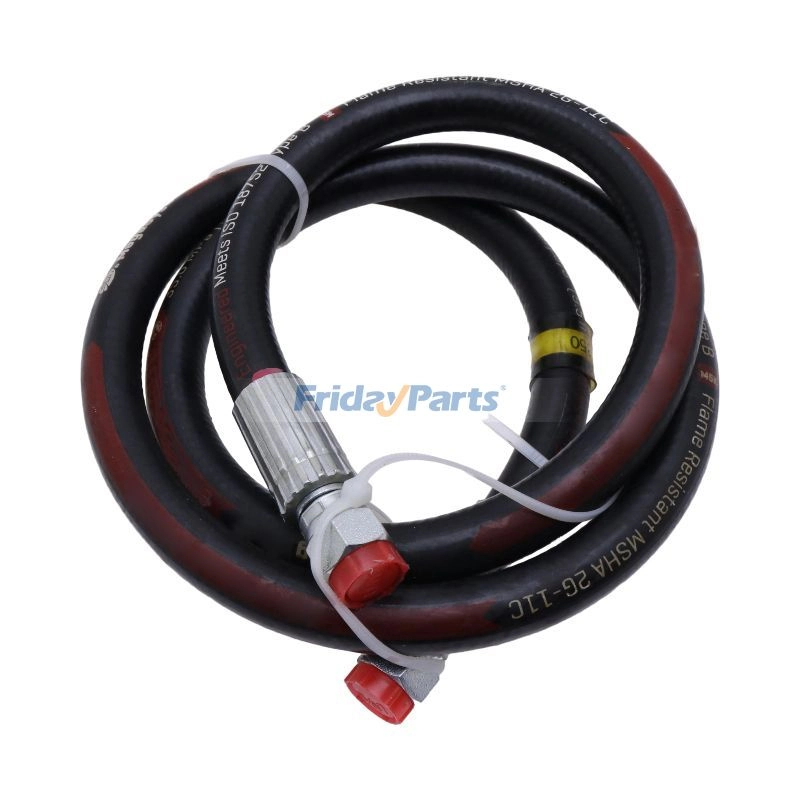
Common Hydraulic Hose Failures
Hydraulic Hose Leaking at Fitting
Leaks at the hose fittings usually come from worn O‑rings or seals, bad installation, or using fittings that don’t match your hose. Machine vibrations over time can also shake fittings loose. This leaks out costly hydraulic oil and lets dirt get inside the system, which leads to more serious damage later on.
Hydraulic Hose Burst
A blown hydraulic hose is the most serious problem. The hose splits open all at once and sprays high‑pressure hydraulic fluid right away. This usually happens when you ignore smaller problems for too long, such as rubbing damage, inside rust, or running the equipment over the suggested pressure and temperature limits. When a hose bursts, you have to stop your machine immediately. The high‑pressure fluid can cause painful injection injuries, and spilled oil creates slippery surfaces that bring big safety hazards.
Abrasion
Time is cruel: human organs will age over time, and this is no exception for machines. Hydraulic hoses don’t live in a vacuum, they need to come into contact with various parts in the machine, so abrasion seems inevitable. Abrasion happens when hoses rub against other parts or surfaces. This constant friction wears down the outer layer and can lead to leaks or even bursts.
Kinks and Twists
Though Hydraulic high-pressure hoses can be quite flexible, they still have their limitations. During the operation, if you bend a hydraulic hose too much, it could cause kinks, twists, and even worse—blockages, which can make the hose explode from too much pressure. Even a tiny, incorrect bend can create weak spots where vibrations can shake things up even more. So, remember to keep those hoses in the right shape to avoid a big mess.
Improper Assembly
A philosophical metaphor can be used to describe the proper operation of hydraulic hoses in machines: the whole is made up of parts, and the parts are the parts of the whole. Putting together your hydraulic hoses the wrong way is a common recipe for disaster. If the fittings aren’t crimped and secured properly, the hose won’t handle high pressure very well. This can quickly turn into a leak or even a burst hose, leading to messy and potentially dangerous situations.
How to Repair Hydraulic Hose?
When a hose breaks while you are working, your main goal is to get it fixed quickly. A brand‑new hose is always the best long‑term fix, but you can do some temporary repairs on site if you do them the right way.
Safety Comes First
Before you touch a damaged hose at all, turn off the machine and release all pressure from the hydraulic system. Hydraulic lines hold leftover energy that can be very dangerous. After shutting the engine down, move the control levers back and forth a few times to get rid of trapped pressure. Do not skip this step.
Check How Bad the Damage Is
Figure out if you have a tiny pinhole leak or a full burst. If the small leak sits along the middle of a long hose, you might patch just that spot. If the hose has split wide open or the damage is right near a connector, you have to swap out the whole hose assembly.
Use Field‑Installable Reusable Fittings
- Reusable hydraulic fittings are your most trustworthy choice for on‑site repairs. Cut out the damaged piece of hose and fit new hose ends in its place.
- Cut the hose: Use a proper hose saw to make a neat, straight cut. A messy cut stops the new fitting from sealing tightly.
- Clean the hose: Wipe out the inside of the hose thoroughly and clear away any tiny bits left from cutting.
- Fit the connector: These fittings have two pieces, a socket and a nipple. Screw the socket onto the outside of the hose first. Grease up the nipple and twist it into the socket. This makes a tight seal that holds up under high pressure.
Important warning:Never use simple low‑pressure clamps or tape patches on high‑pressure hydraulic hoses. They cannot handle heavy pressure and will fail, which creates serious safety risks. The only safe option is fittings built to match your hose’s pressure rating.
Practical Tips on Serious Hydraulic Hose Failures Prevention
As the saying goes, there are always more solutions than sufferings. Though the aforementioned trouble might seem inevitable and some problems occur unconsciously, there are still things you can do to ensure your equipment’s hydraulic system runs smoothly.
Overheating could be Devastating
Overheating could do serious damage to a machinery’s hydraulic system thereby causing problems like accelerated parts wear. Checking the temperature range of your hose regularly is an important way To keep your hydraulic assembly from overheating. Make sure the hose’s rated temperature matches the heat it will face in its job. If things are getting too hot, try cooling down the surroundings or use a protective sleeve for the hose. These steps can help shield the hose from extreme temperatures.
Pay Attention to the Use of Hydraulic Hose
Keep an eye on your long-term partner just like keep your eye on a growing kid, or aging elderly if you say so. Always be aware of signs of wear like your children’s teeth replacement or your grandparents might need a new pair of dentures. Use protective sleeves to shield hoses from rough edges or sharp objects. And make sure hoses are routed carefully to avoid unnecessary rubbing. As a last resort, you can always consider the option of replacing your equipment with a new set of hydraulic parts.
Clean Your Hose Regularly
Just as a minor wound can lead to bacterial infection in the human body, minor contamination of hydraulic hoses can cause big trouble. When cutting hoses to size, it’s crucial to clean and flush them thoroughly. This helps remove any abrasive debris left behind from the cutting process. If leftover debris is not cleaned out, it can contaminate the hydraulic system and cause tiny cracks, damaging the hose’s inner tube. So, don’t be lazy to take the extra steps to ensure your hoses are clean and free of contaminants.
Conclusion
We understand the pressure you probably facing when your equipment encounters hydraulic parts issues. It could be a stressful and unproductive period that makes it difficult for your business. But I believe with our detailed and easy-to-understand guidance, you can avoid many similar hydraulic hose problems.
FridayParts is a one-stop online store and supplier of hydraulic parts, you can get high-quality aftermarket hydraulic hose or any related parts here. Any interests, welcome to explore our hydraulic hose category. As a trusted source for off-road machinery aftermarket parts, we belive that our products and services do not let you down.
