

Undoubtedly, the generator is the heart of an excavator, delivering essential power supply to ensure the smooth operation of the excavator’s equipment and systems. Knowing how does a generator work beforehand can resolve generator issues, considering the substantial impact such problems can have on the excavator.
When delving into the working principle of a generator, it may initially appear abstract and intricate, often leading to confusion with a battery. However, simplistically speaking, one can grasp the working principle of a generator as the interplay between the engine, wires, and magnets.
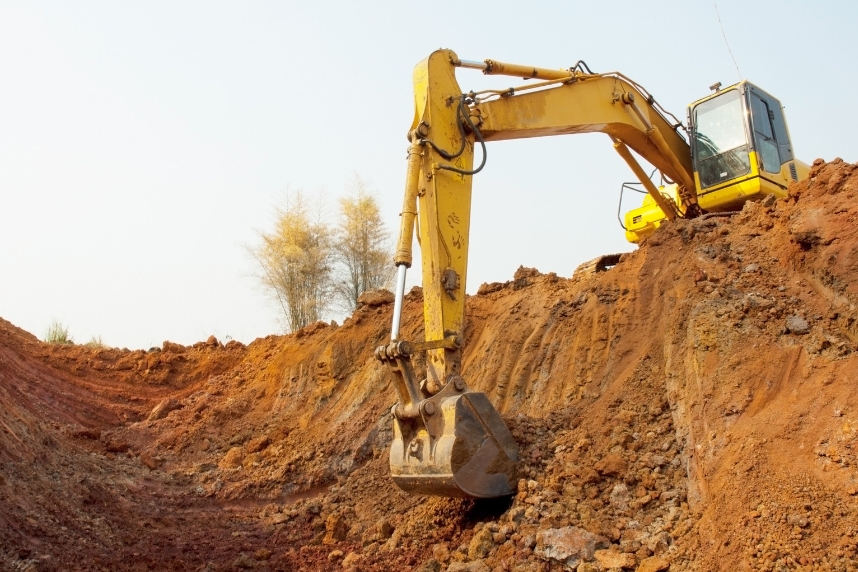
How Does A Generator Work for An Excavator?
In fact, when it comes to the excavator generator work principle, is similar to that of a general generator. The excavator generator also converts mechanical energy into electrical energy based on the principle of electromagnetic induction.
Typically, excavator generators utilize an internal combustion engine as the driving force. This engine generates power by burning fuel, thereby propelling the movement of pistons and facilitating the rotation of the generator. Consequently, the rotating shaft of the generator is interconnected with a component known as the rotor.
Within the rotor, an armature, composed of a conductive material, is present. The armature winding establishes a connection to an external circuit, facilitating the flow of current. Simultaneously, the stator of the generator houses an excitation winding responsible for generating a magnetic field.
As the rotor of the generator rotates, the armature winding within the stator’s magnetic field experiences electromagnetic force. According to Faraday’s law of electromagnetic induction, the movement of a conductor (the armature winding) within a magnetic field induces an electromotive force. This induced electromotive force activates the flow of current within the armature winding.
The current flowing through the armature winding enables the excavator generator to generate tangible electrical energy. The excavator can utilize this electrical energy by integrating it into an external circuit, thereby supplying the necessary power and facilitating the smooth operation of various equipment and systems.
How Does A Magnet Generator Work for Excavators?
Magnet generators are widely used on excavators for scrap metal handling applications where excavators are used to raise and lower scrap metal from transport trucks and move scrap metal from one place to another. It utilizes the hydraulic power available to the excavator. The flow and pressure of hydraulic oil are used to drive the generator to produce electricity, which then produces magnetic power.
The hydraulic magnet generators are now widely used to replace scrap metal magnets that rely on electric current from a generator or a permanent source of electricity in buildings via cables, which can disrupt and limit excavator movements. Meanwhile, by using a magnetic generator on the excavator, the excavator movement becomes more flexible because it does not use cables.
Components of Excavator Generator
Engine
It is the main power source of the generator, driving its operation. It mainly uses diesel fuel due to its high energy density, providing sufficient power and efficiency for excavator operations.
Fuel System
Provides the necessary fuel to the engine, ensuring its proper functioning.
Alternator
Converts the mechanical energy from the engine into electrical energy and outputs alternating current (AC). The alternator consists of various components such as the stator, rotating shaft, armature, brush assembly, etc.
Cooling and Exhaust Systems
Common in large excavator generators or those used in special applications, these systems cool the engine and exhaust gases to maintain an optimal operating temperature.
Control Panel
Monitors and controls the operation of the generator system, including switches, gauges, and control buttons.
Voltage Regulator
Controls and stabilizes the generator’s output voltage to ensure a stable power supply.
Lubrication System
Provides lubricating oil to the moving parts of the engine, ensuring the reliability and smooth operation of the excavator generator. The generator’s engine uses oil from a pump for lubrication. It is recommended to check the oil level every 8 hours and inspect for any lubricant leaks. Additionally, it is advised to replace the lubricating oil after the generator has run for 500 hours. These lubrication maintenance measures contribute to the generator’s reliability and performance.
Main Assembly/Frame
The generator and its corresponding components are mounted on the main frame, forming a complete generator unit.
Battery Charger
The excavator uses a charging circuit to charge the battery and keep it in good condition. The generator’s shunt function provides power to the battery. The battery charger provides precise floating voltage to ensure proper charging. Manufacturers typically use stainless steel to make chargers in order to prevent corrosion. They are fully automatic and do not require adjustment. The DC output voltage is set at 2.22 volts per cell, matching the float voltage of lead-acid batteries. The output of the battery charger is isolated to avoid interference with the generator’s normal operation.
Difference between Generator and Alternator
Many people confuse generators and alternators; as mentioned previously, the alternator is a component of the generator. Here are the main differences:
Power Generation Drive
The engine of the excavator drives the excavator generator, causing the generator to rotate and generate electricity through the principle of electromagnetic induction. The rotation of the generator’s rotor, driven by the engine, induces an interaction between the coil and the magnetic field, resulting in the production of alternating current (AC) power.
An external energy source, such as hydroelectric power, gas, or steam, drives the alternating current (AC) generator, causing the generator to rotate and produce AC power through the principle of electromagnetic induction. The external energy source drives the rotor of the generator, which then interacts with the magnetic field of the stator, resulting in the production of AC power.
Types of Output Current
Excavator generator: It produces direct current (DC) output, which is unidirectional with a fixed voltage and polarity.
AC generator: It produces alternating current (AC) output, which is characterized by periodic changes with positive and negative half-cycles and a specific frequency.
Uses
The excavator generator provides power for the excavator, driving its electrical components, auxiliary equipment, and lighting systems.
AC generator offers power supply for the excavator and drives auxiliary equipment.
How the Alternator Works in An Excavator?
The alternator is responsible for generating electricity and keeping the excavator’s systems running. When the engine runs, it spins a belt that drives the alternator’s rotor. The spinning rotor creates a magnetic field that passes through copper coils, generating an electrical current through electromagnetic induction. A built-in rectifier then converts this AC current into DC current for the excavator’s electrical systems. The alternator handles three main jobs: charging the battery, powering the lights and control panels, and regulating voltage to protect electrical components from damage. A faulty alternator can cause a dead battery, dim lights, and malfunctioning controls, making regular maintenance essential for reliable operation.
Explore Hot Generator Parts at FridayParts
Honda em5000s generator parts
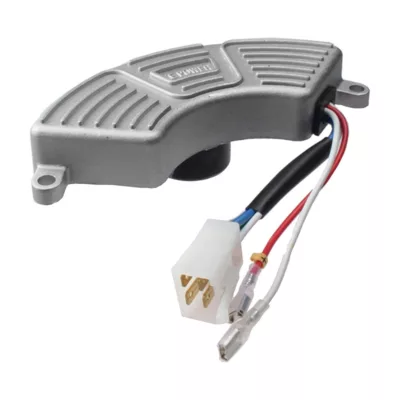
US$37.80
In addition to em5000s, there are many Honda models available.
Onan 4000 generator parts
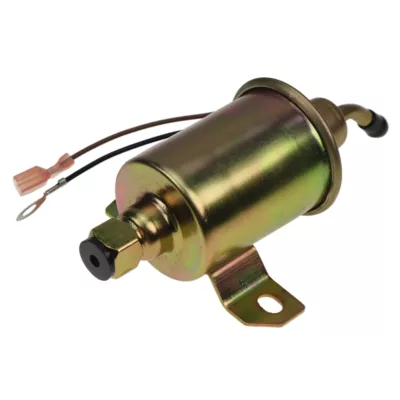
US$23.99
Also, it fits Cummins.
Generator control panel
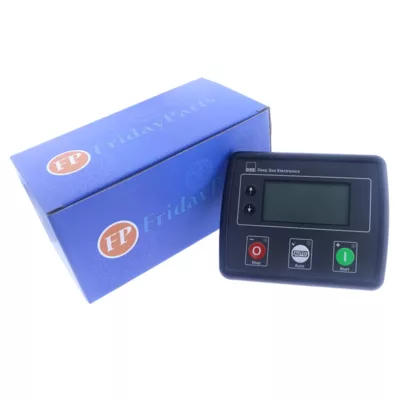
US$299.25
Compact automatic power (utility) fault control module, widely applicable with a pleasantly surprising price. The design aims to offer a range of excellent functionalities within a compact enclosure.
In addition, you can click on the title to learn more information. Want to know more? Please feel free to contact our experts. They are very knowledgeable and well-versed in generators and would be happy to help you. FridayParts is an experienced one-stop online shop of aftermarket parts. After knowing the excavator generator work principle and other info, any questions, feel free to leave a message and let us know.
