

How many glow plugs does my diesel engine have? Also, explain why knowing this exact setup is super important for your regular maintenance. After going through this guide, you’ll have a clear picture of your engine’s layout and steer clear of costly repair mistakes.
What Are Glow Plugs?
Diesel car engines work by squeezing air super tight to make intense heat. When air gets compressed fast, its molecules move wildly and heat up a lot. The air inside each cylinder has to hit a certain heat level so diesel fuel can spray into tiny droplets and catch fire.
When a diesel engine is running, the air inside its chambers can hit an extremely hot 2,800°F. The engine needs this huge amount of heat just to start and keep running smoothly. But when it’s cold outside, the metal engine block, cold cylinders and cold incoming air soak up all that compression heat. This stops the diesel fuel from lighting up at all.
That’s where glow plugs come in — they preheat the air, fuel and cylinder walls to fix this problem. Most glow plugs are made of tough steel or high-performance ceramic, and they turn blazing hot in just a few seconds.
How Many Glow Plugs Are in a Diesel Engine?
The standard design follows a one-to-one ratio between the engine cylinders and the glow plugs. If you are wondering how many glow plugs are in a diesel for a specific model, you can usually find the answer by counting the cylinders. Based on standard engine configurations, the counts are as follows:
- 1-cylinder diesel: 1 glow plug
- 2-cylinder diesel: 2 glow plugs
- 3-cylinder diesel: 3 glow plugs (found in modern designs focused on low emissions)
- 4-cylinder diesel: 4 glow plugs
- 5-cylinder diesel: 5 glow plugs
- 6-cylinder diesel: 6 glow plugs
- V8 engines: 8 glow plugs
- V12 engines: 12 glow plugs
Most diesel engines found in daily drivers use either four or six cylinders. We have noted that while 6-cylinder engines provide increased power and performance on the road, they tend to cost more and use more fuel than 4-cylinder engines. Additionally, a 6-cylinder engine requires more labor and a higher parts budget, as you have 50% more heating elements to maintain and replace over the life of the vehicle.
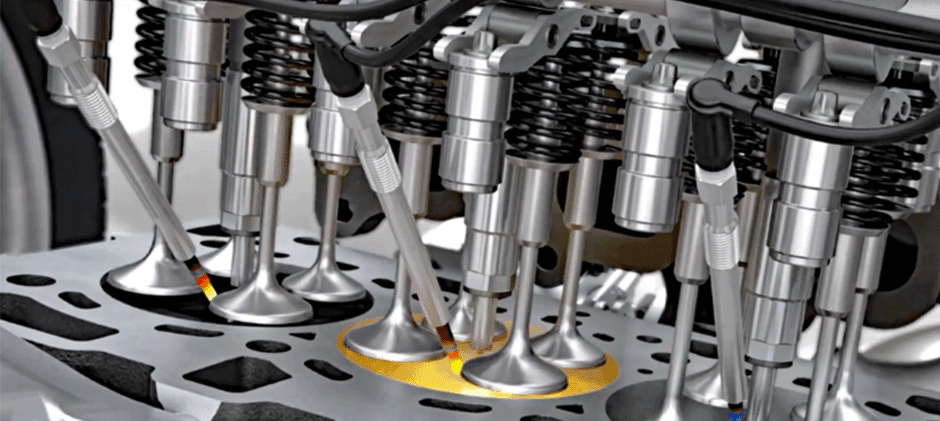
In-Cylinder vs. In-Manifold
Most engines follow the rule of one glow plug per cylinder, but where the heating parts sit affects how many spares you’ll need and how much upkeep you’ll do. There are two main setups you’ll run into:
Cylinder-Mounted Glow Plug Systems
With this setup, every cylinder gets its own separate glow plug. The plug screws straight into the combustion chamber, right next to the fuel injector. It delivers targeted heat right where it’s needed every time the piston moves when you start the engine.
Since each cylinder has its own heater, this design fires up reliably even in cold weather. The downside is you usually have to swap out all glow plugs at once to keep the engine running evenly.
Manifold Heating Systems (Also Called Thermostart)
This design breaks the one-plug-per-cylinder rule. Instead of individual glow plugs for each cylinder, it uses one big heater inside the intake manifold.
When you turn the key, the heater warms up and heats the air going into the engine. Some Thermostart systems also spray a small amount of diesel fuel onto the hot heater to create a small flame, helping the engine start in cold weather. With this design, there’s usually only one heater to replace instead of several glow plugs. But if it stops working, cold starts can become much harder.
| Placement Style | Quantity of Plugs Required | Common Application |
|---|---|---|
| In-Cylinder | One per cylinder | Passenger cars, light trucks, Cummins engines |
| In-Manifold | One per engine | Specific industrial or older diesel designs |
Signs Your Engine Needs New Glow Plugs
Glow plugs are tucked away inside the cylinder head, so you have to watch out for obvious warning signs to spot broken ones. Glow plugs work extra hard in cold winter weather to fight freezing temps, so problems usually show up this time of year. Keep an eye out for these common issues:
- Hard to start when it’s cold: The engine cranks and takes forever to fire up. This usually means your glow plugs aren’t putting out enough heat.
- Shaky idle right after starting: One or more cylinders can’t get hot enough to burn fuel fully. The dead cylinder makes the engine shake until heat from other cylinders warms it up.
- Worse gas mileage: Low heat causes incomplete combustion. The engine burns more fuel just to keep running, and leftover unburned fuel blows straight out the exhaust.
- Random power drops: If your glow plug system is worn out, the engine may suddenly lose power while you’re driving, since it can’t hold a steady working temperature at first.
- More exhaust smoke: Bad glow plugs mess up combustion. You’ll see white or grey smoke when you start the engine, plus extra carbon emissions.
Tips for Maintenance and Replacement
Keep Your Glow Plug System in Good Shape
The easiest way to test a glow plug is with a multimeter. Set it to Ohms (Ω) and measure the resistance between the glow plug terminal and the engine. If the meter shows OL or no reading, the glow plug has failed and should be replaced.
Be Careful When Replacing Glow Plugs
Old glow plugs can get stuck because of carbon buildup. If you force one out, it can break off inside the cylinder head. To reduce the risk:
- Spray penetrating oil around the glow plug before removing it.
- Let the oil soak in if the plug feels stuck.
- Use a torque wrench when installing the new glow plug, and tighten it to the manufacturer’s specifications.
Don’t Forget the Rest of the Engine
Glow plugs aren’t the only parts that affect cold starts. Regular maintenance also helps keep the system working properly.
- Replace dirty air filters so the engine gets enough clean air.
- Change or service the diesel particulate filter (DPF) when needed. A clogged DPF can put extra strain on the engine during regeneration, which may shorten glow plug life.
- In cold weather, use a winter diesel fuel additive if recommended for your engine. It helps improve fuel flow and makes cold starts easier.
Taking care of these items can help your diesel engine start more easily and keep your glow plugs working longer.
Wrapping Up
In most diesel engines, the number of glow plugs matches the number of cylinders. For example, a 4-cylinder engine usually has four glow plugs, while a 6-cylinder engine has six. Some engines use a single intake manifold heater instead, but they’re less common. If you need brand-new, durable glow plugs that fit your engine perfectly, FridayParts stocks all the reliable replacement parts you need.
