

Running into ignition switch issues like the key not turning? Or the accessories cannot be powered on? That probably means you got a faulty ignition switch and you need a replacement. So, how should you replace the ignition switch? How much does an ignition switch cost? And how much is an ignitio switch replacement? Let’s read on to explore the answer.
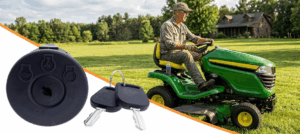
What Is An Ignition Switch?
An ignition switch is the electrical component that powers up your machine’s starter circuit the moment you turn the key. It sends signals to critical components, including the starter relay, fuel system and electrical accessories. Most switches are made of plastic with electrical contacts inside that can corrode or wear out over time. Once they fail, your equipment simply won’t start. Understanding what it does makes it easier to recognize when it goes bad and why replacing it is worth the cost.
Bad Ignition Switch Symptoms
Before spending money on a replacement, confirm that the ignition switch is actually the problem. Here are the most common signs of a bad ignition switch across all equipment types.
- Intermittent no-crank when the ignition key is turned
- Engine will not crank at all with no response from the starter
- Ignition won’t turn to the ‘off’ position after the engine is running
- Electrical accessories fail to power on
- Flickering dashboard lights or other electrical issues.
- Engine stalling shortly after starting, or stalling during operation
- Difficulty turning the key or the key feels unusually stiff or loose
- Keep in mind that many of these symptoms can also point to a dying battery, a bad starter, or a loose ground connection. It’s worth ruling those out first before purchasing a replacement switch.
See Full Guide on Bad Ignition Switch Symptoms, Causes and Fixes here.
Ignition Switch Replacement Cost Breakdown
The total cost of replacing an ignition switch depends on whether you do it yourself or turn to a pro. Here’s how the switch replacement costs break down:
Parts Cost
Aftermarket ignition switches typically range from $20 to $150, depending on the equipment, brand and model, while OEM switches cost more, usually $60 to $300 and $200 to $400 for some complex assemblies with the lock cylinder or integrated security modules. For most tractors, mowers, excavators, ATVs and other equipment, a quality aftermarket switch falls in the $20 to $60 range, making it a reliable, cost-effective choice. Shop high-quality ignition switches here.
Labor Cost
If you choose to do it yourself, there’s no labor cost. If you take your machine to a pro, you may expect to pay $75 to $150 in labor for a standard ignition switch swap. Besides, if you need a diagnosis, you need to pay an extra $90 to $110 to your bill. For equipment with a more advanced security system, you need to pay another $100 or more.
DIY vs Pro Total Cost Comparison
| Replacement Method | Cost Range |
|---|---|
| DIY (parts only) | $20-$150 |
| Pro (parts+ labor) | $135 to $ 450 |
Factors Affecting the Cost
Here are several factors that can influence your replacement cost:
Equipment make and model
A Kubota excavator ignition switch and a John Deere riding mower switch all have different designs, security requirements, and parts prices. Simpler switches on smaller equipment like lawn mowers or ATVs tend to be on the lower end, while luxury equipment and large construction machines cost more.
OEM vs. Aftermarket Quality
While OEM parts carry the exact specifications that fit your equipment and typically include longer warranties, aftermarket parts from reputable suppliers are often at a lower price without compromising the quality. For most standard equipment, a reputable aftermarket switch is a perfectly sound choice.
Geographic location
Labor rates and parts availability vary dramatically by region. Urban centers and dealership service departments charge more than rural independent shops. Coastal regions and major metropolitan areas typically run 15–25% higher than smaller cities or rural areas.
Additional parts and diagnostics
A failing ignition switch sometimes signals worn internal contacts, damaged springs, or corroded electrical connectors that should be replaced at the same time. Diagnostic fees ($50–$150) may apply if the shop needs to verify the switch is truly faulty rather than a related electrical component.
How to Save on Ignition Switch Replacement?
The most effective cost-saving move is to buy your replacement ignition switch from an aftermarket supplier. Quality aftermarket key ignition switches for popular brands like Kubota, John Deere and Honda are widely available and typically cost 30–60% less than OEM parts, with comparable reliability. For most standard equipment, this is a straightforward trade-off with very little downside.
When hiring a shop, get at least two quotes from independent repair shops before committing. Independent shops consistently charge less than dealerships for the same labor, sometimes by $50 or more. If your switch is part of a larger assembly or requires security reprogramming, ask upfront whether that step is included in the quoted price — it’s one of the most common sources of surprise charges on this repair.
Should You Replace the Ignition Switch Yourself or Hire a Professional?
The right choice depends on your equipment type, your comfort with electrical work, and the complexity of your ignition system. For most riding lawn mowers, compact tractors, and older equipment without integrated security systems, DIY replacement is a realistic option. The job doesn’t require specialized training, but it does require basic hand tools, patience, and a willingness to work carefully around wiring. The payoff is that you eliminate labor costs entirely, which typically saves $75 to $150.
Professional replacement is the better call for newer equipment with immobilizers or RFID-based anti-theft systems, heavy construction equipment like excavators, or anyone who isn’t confident handling electrical components. A qualified technician brings the right tools, model-specific knowledge, and accountability. And in most cases, the repair is completed the same day.
If you want the best of both, there’s a practical middle ground: purchase an aftermarket switch yourself from a reputable supplier, then bring it to an independent repair shop for installation. You control the parts cost, and you still get professional labor at a lower overall price.
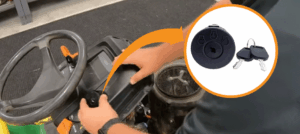
Steps to Replace the Ignition Switch Myself
Here are the basic steps to replace the ignition switch. It may vary for different equipment and models. Always consult your owner’s manual when you perform a replacement task.
- Disconnect power to avoid electric shock or damage to the electric circuits.
- Take apart the console, including panels, covers, or other components
- Locate and remove the ignition switch
- Disconnect the wire connected to the switch and remember which wire goes to the ignition switch.
- Connect the switch to the wire and install the switch in its original position
- Reconnect the negative battery cable
- Test that all the functions are working properly
Don’t know the wiring? Click to see Diagram What Wire Goes to Ignition Switch?
Conclusion
An ignition switch is essential for your equipment’s electrical system. When you notice signs of a faulty ignition switch, you must test to confirm whether it’s an ignition switch issue. The ignition switch replacement cost varies depending on the make and model and other factors. For simple equipment, you can do it yourself for nothing. For more complex models, it’s recommended that you buy high-quality ignition key switches from reliable suppliers like FridayParts and then bring them to a professional shop to reduce the overall cost.
