

A correct spark plug gap helps your machine’s engine run smoothly, start easily, and use fuel more efficiently. If the gap is wrong, your engine may run rough, lose power, or struggle to start.
The good news? Checking and adjusting a spark plug gap is simple — and with the right tool, anyone can do it. This guide explains what a spark plug gap is, why it matters, and how to measure and set it correctly.
What Is a Spark Plug Gap?
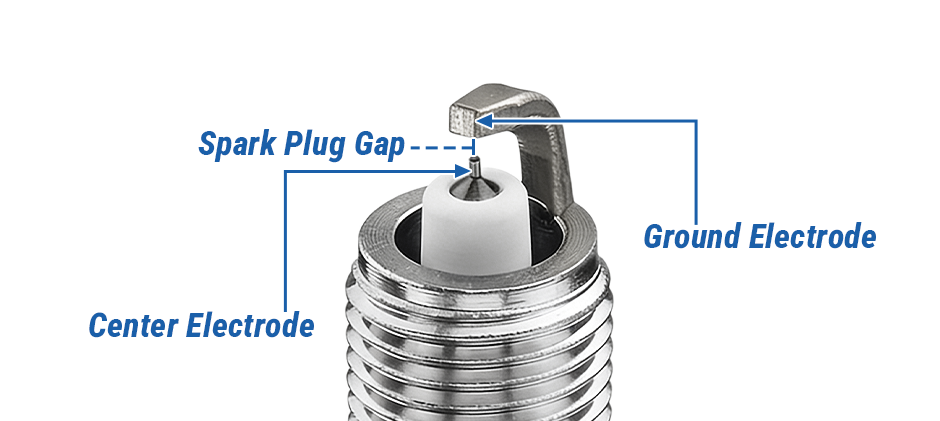
The spark plug gap is the tiny space between the center electrode and the ground electrode at the tip of the spark plug. This is where the spark jumps to ignite the air-fuel mix inside your engine.
Why Is the Correct Gap So Important?
The correct gap ensures your spark plug creates a strong, steady spark at just the right time.
When the gap is perfect, the engine burns fuel completely — giving you more power, better fuel efficiency, and longer plug life.
- A gap too small creates a weak spark that may not fully ignite the fuel.
- A gap too wide might stop the spark from firing, especially when the engine is working hard.
“A precise gap creates a perfect spark — it’s the difference between a smooth-running engine and one that struggles.”
What Are the Types of Spark Plug Gap Tools?
There are two main kinds of tools used to measure and adjust spark plug gaps.
The Coin-Style Gap Tool
This round, tapered tool is simple to use and great for quick checks.
You slide the spark plug’s ground electrode along the edge until it stops — the number where it stops shows your gap size.
It’s fast and easy, but not as exact as a wire gauge.
The Wire Gauge or Feeler Gauge Tool
This is the best choice for accuracy.
It has several thin wires or blades, each labeled with an exact size.
You find which wire fits just right between the electrodes — snug but not tight.
Because it’s so precise, it’s the best tool for heavy-duty machines that run under tough conditions.
How to Read and Use a Spark Plug Gap Tool in 4 Steps
You only need a few minutes to check and adjust your spark plug gap.
Follow these four simple steps:
Step 1: Find Your Machine’s Recommended Gap
Check your owner’s manual for the correct spark plug gap size.
Different engines have different requirements — never guess the size.
Step 2: Measure the Current Gap
Use your tool to see what the current gap is.
- With a coin-style tool, slide the plug’s ground electrode along the edge — the number where it stops shows the measurement.
- With a wire gauge, try the wires until one fits snugly — not loose, not tight.
Step 3: Adjust the Gap If Needed
- Most tools have a little slot for this purpose — use it to open or close the gap slightly.
- You can also tap the electrode gently on a clean, hard surface for small adjustments.
- Never push or bend the center electrode, as it can break easily.
Step 4: Re-Check the Measurement
After adjusting, measure again to make sure it’s perfect.
You should feel a slight drag when the correct wire passes through.
Repeat the adjustment if necessary until the fit feels just right.
Summary
Knowing how to read and set a spark plug gap is a simple but vital part of caring for your off-road machinery. A properly gapped plug means your engine will ignite fuel efficiently, run stronger, and last longer — saving you time and money in the long run.
To keep your equipment performing at its best, make sure you always use high-quality spark plugs and engine parts. Explore durable and reliable components in the FridayParts Engine Parts, built to handle the tough demands of off-road work and keep your machine running smoothly every day.
