

If your tractor or heavy equipment transmission won’t go into gear, it’s usually because the clutch doesn’t release all the way, the shift linkage is broken, transmission fluid is low or dirty, or internal parts are worn out. Some of these problems only need easy adjustments or basic maintenance. Keep reading to find out how to spot the issue, repair it, and stop dangerous gear failures out in the field.
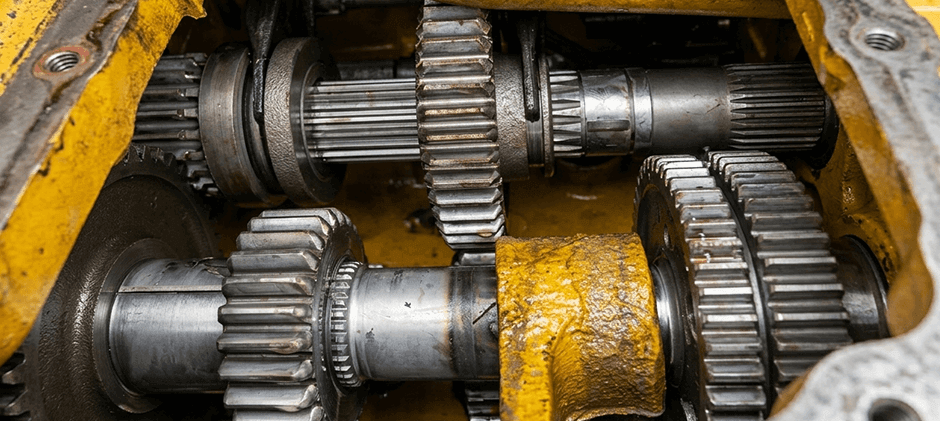
Why Won’t My Tractor Transmission Go Into Gear?
If your tractor or utility loader shifts easily with the engine off, but won’t go into gear when it’s running, this is a common clutch/gear problem. Here are the usual causes:
Clutch Drag or Hydraulic Issues
On manual gear-driven tractors, the clutch controls power to the transmission. When you push the clutch pedal, the pressure plate should let go of the clutch disc to stop the input shaft from spinning.
If you’ve got a hydraulic clutch and the master or slave cylinder leaks internally, it can’t build enough pressure to release the pressure plate. This makes the clutch drag. The input shaft still spins along with the engine, so gears grind and the shifter won’t move.
Worn Shift Forks and Loose Bushings
Tractors and heavy equipment get shifted hard for thousands of hours. The shifter linkage and internal shift forks connect your gear lever to the transmission gears.
Over time, linkage bushings wear out and get sloppy. Inside the transmission top cover, shift forks can bend or wear thin. When that happens, moving the shifter doesn’t push the gear collar all the way to lock in gear. The lever feels like it’s fully pushed, but the gears inside don’t line up.
Low or Dirty Fluid
Hydraulic and transmission oil lubricates and cools gears, Bearings and synchronizer parts may be affected. Low fluid makes shifting rough.
Tractors work in wet, dusty places. If water gets inside the transmission, the oil turns milky and thick. Dirty oil can’t lubricate moving parts well, so gear collars stick on their shafts.
Gear Alignment on Non-Synced Gearboxes
Lots of older tractors use straight-cut gears with no synchronizers. Unlike newer cars, these boxes don’t line gear teeth up automatically. If the tractor stops and gear teeth sit face-to-face, you just can’t slip it into gear.
How to Fix a Tractor Transmission That Won’t Go Into Gear?
To fix a tricky transmission, work step by step. Start with simple outside checks before taking the gearbox apart.
Step 1: Check and Bleed the Clutch Hydraulics
If your tractor has a hydraulic clutch, check the fluid tank first. Low fluid? Look for wet leaks by the master cylinder under the dash and the slave cylinder near the bell housing.
Pro tip: Fluid looks okay but the clutch pedal feels spongy? Air is trapped in the lines. Pump the clutch pedal fast a few times. If you can get it into gear briefly after pumping, you need to bleed the air out of the hydraulic lines.
Step 2: Adjust and Tighten the Shift Linkage
Check the rods, pins and clevises that connect the gear lever to the transmission. Get someone to move the shifter while you watch for loose, wobbly movement. Replace worn rubber bushings, tighten loose lock nuts, and grease all pivot points with good grease.
Step 3: Fix Gear Alignment (Simple Clutch Trick)
If you have an older non-sync tractor and the shifter won’t go in, don’t force it. Lightly hold pressure on the shift lever and slowly let the clutch pedal out just a little. This spins the input shaft slightly so gear teeth line up and slide into place easily.
Step 4: Drain and Replace the Oil
If the oil is dirty, milky, or too low, drain all of it. Check the magnet on the drain plug for big metal pieces — that means internal gear damage. Refill with fresh, good hydraulic fluid or gear oil that matches what the maker recommends.
Why Does a Tractor Transmission Pop Out of Gear?
A transmission that pops out of gear when under load is really dangerous. This problem usually comes from worn locking parts or badly worn gears inside the gearbox.
Worn detent springs and balls
Inside the transmission, the shift rails have little notches. Spring-loaded steel balls (detents) sit in these notches to lock you into the gear you picked. After years of use, these detent springs get weak or break. With no firm spring pushing the ball home, engine vibration can bump the shift rail back to neutral easily.
Tapered gear teeth and shaft movement
Normally, gear teeth lock flat together. But heavy loads and lots of operating hours wear teeth into a slight taper. When you apply power or use engine braking going downhill, that tapered shape works like a wedge. It pushes the gears apart and makes them pop out of gear.
How to Prevent Tractor Gear Engagement Problems on Slopes?
Driving a tractor on steep hills needs solid safety habits. If your transmission slips to neutral on a slope, you lose engine braking. Regular tractor brakes often aren’t strong enough to stop a rolling tractor.
Hill Rule of Thumb: Never go downhill in a higher gear than what you’d use to climb that same hill.
- Follow these tips to stay safe on slopes: Check gear lock before moving: Before going down any hill, stop on flat ground. Put wheel chocks in if needed, pick your low gear, then slowly let out the clutch to make sure the gears lock tight and hold the load.
- Hold the shifter: Older tractors with straight-cut gears — keep your hand on the gear lever while going downhill. This stops engine torque from kicking the transmission into neutral.
- Don’t shift gears on hills: Pick your gear before you start going up or down the slope. Trying to shift while on a hill can put you in neutral, and the tractor may get away from you.
Summary
Your transmission can refuse to shift if key parts like the clutch, shift linkage or internal gears can’t line up or hold pressure. Keep hydraulic oil clean, adjust linkages, and shift safely on hills to avoid big failures. FridayParts carries a huge range of parts that fit most heavy equipment brands, so you can get your tractor working fast.
