

For heavy machinery operators, finding water in the engine oil is a critical emergency. As tractors or excavators operate under extreme loads and harsh conditions, a lubrication failure can lead to catastrophic engine seizure and massive repair costs. In this guide, we’ll dive into the causes, signs and fixes for water contamination in the diesel engine oil.
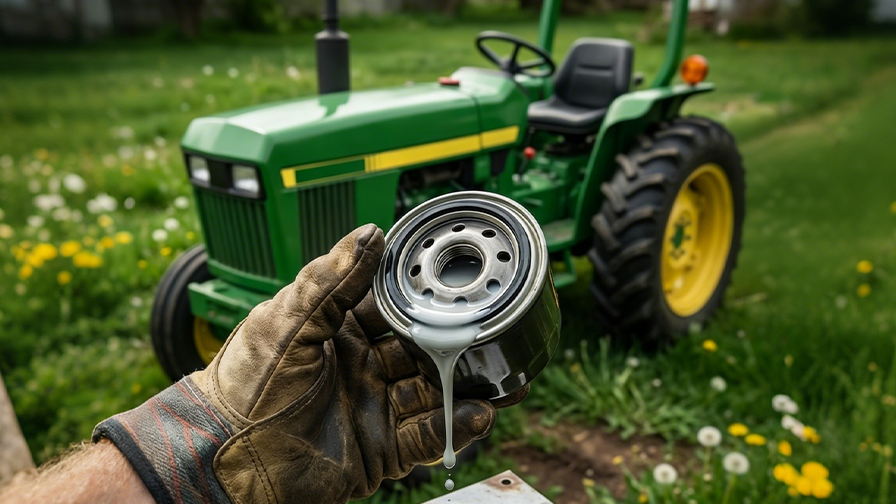
Why Water in Engine Oil Is Fatal
Engine oil helps reduce the friction between metal surfaces, absorb heat and prevent corrosion. When oil is mixed with water, the lubricating effectiveness can be destroyed in several ways. Firstly, water in the engine oil can reduce the efficiency of dispersants and detergents meant to keep engine parts clean. Secondly, it can cause corrosion and rust on metal components like the crankshaft and connecting rods. It can also create a thick, abrasive sludge that can clog the oil pump pickup screen and starve the engine of lubrication. Lastly, severe water ingress can cause engine jitter or even lead to broken parts and a scrapped engine.
5 Common Causes of Water in Engine Oil
The mixing of oil and water can disrupt the balance of fluids and cause a lot of problems. There are 5 main reasons why your machine might be mixing water and oil.
- A Faulty Head Gasket: The cylinder head gasket seals water and oil passages. A cracked or blown head gasket allows high-speed water circulation to leak into the oil.
- An Oil Cooler Gasket Leak: Many tractors and excavators use oil cooler(heat exchanger) to regulate temperatures. If the oil cooler gasket leaks, it can allow water to mix with the oil.
- Cracked Cylinder Liners or Blocks: A hot engine coming into contact with cold coolant can cause thermal shock and cracking. Similarly, in cold temperatures, if proper antifreeze isn’t used, cooling water can freeze and crack the cylinder or engine block.
- Damaged Cylinder Liner Seals: The wet cylinder liner directly contacts the coolant. If the seal of the liner fails due to poor water quality or long-term wear, coolant leaks into the oil pan directly.
- Blocked Cooling Passages: Scale and mineral deposits from poor-quality coolant can build up inside the cooling channels over time, restricting coolant flow and causing overheating. This excessive heat degrades gaskets and seals, eventually allowing coolant to leak into the oil pan.
Signs of Contaminated Oil
Water in engine oil can result from many reasons and cause undesirable engine failure. You must look for these key signs of contaminated oil through regular inspection.
- Rising Oil Level: When the oil contains a large amount of water, the oil level will rise. We can simply judge by the oil dipstick level. See How to Check the Oil Level and Read the Dipstick here.
- Dipstick Bubbles/Foam: If the oil reacts with coolant at high temperatures, it forms an emulsion that appears as white foam on the dipstick.
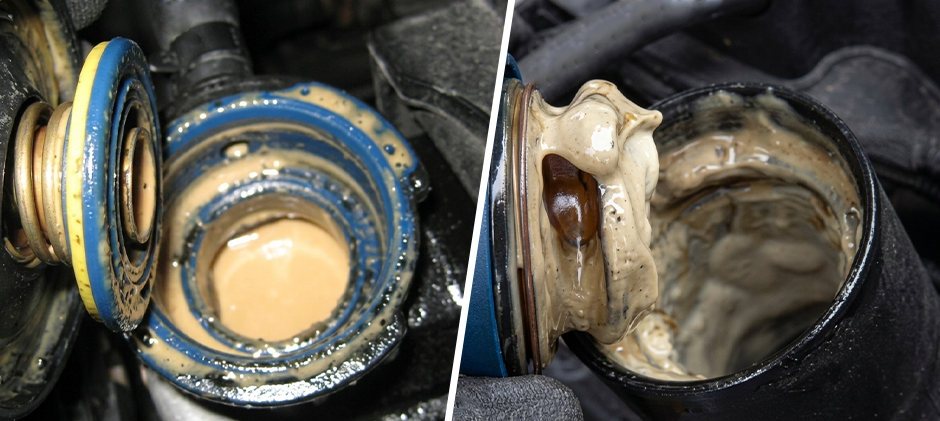
- Milky or Opaque Appearance: Fresh oil is clear amber or golden. Contaminated oil turns an opaque brown, khaki, or milky white.
- White Smoke and Jitter: Water in the cylinders can lead to poor combustion, resulting in white smoke from the exhaust and unusual engine vibrations. Wanna know What Causes White Smoke from your Diesel Engine & How to Fix?
- Engine knocking: If you hear a loud noise coming from the engine, it may indicate water in the engine oil. The oil becomes too thin and leads to engine knocking.
We can judge whether the water leaks into the oil through the condition of the oil, visible smoke and feelable jitter or knocking. If there’s water in the engine oil, do not start the engine a second time. You need to clean up water inside the engine and check to determine the causes of water ingress.
How to Fix Water In Engine Oil
If you notice any of the symptoms that your equipment is mixing water and oil, it’s important to take it to a professional store ASAP. In some cases, the problem may be as simple as replacing a gasket. However, in other cases, the damage may be more extensive and require more costly repairs. If you want to fix it yourself, follow these steps:
- Diagnose the Leak Source: Water or coolant in oil usually appears as a milky substance on the dipstick or oil cap. Common causes are a blown head gasket, cracked engine block, or damaged oil cooler.
- Fix the Mechanical Failure: Replace the failed component (gasket or cooler) to stop more water from entering. Shop high-quality cylinder gaskets at FridayParts.
- Drain Contaminated Oil: Drain the oil and coolant mixture from the engine completely.
- Flush the Engine: Perform multiple oil and filter changes to remove all contaminated residue.
- Remove Remaining Moisture: Run the engine until it reaches full operating temperature to turn remaining water into steam, allowing it to escape.
- Use Additives (Optional): Products like Sea Foam or ATF can be added to the oil to help clean out the milky emulsion before the final oil change.
If the water was caused by deep water submersion rather than a broken part, replacing the oil and filter several times while running the engine until warm is generally sufficient.
Practical Maintenance Tips
The cost depends on the severity of the problem. So, the best solution to the issue is to do regular maintenance. Here are practical maintenance tips for you.
- Check the oil level with the dipstick regularly, especially before and after heavy operation.
- Use high-quality coolant with the correct antifreeze ratio to prevent freezing and scale buildup.
- Inspect hoses, gaskets, and the oil cooler for wear or leaks during scheduled maintenance.
- Change the engine oil and filters at the manufacturer-recommended intervals to prevent sludge accumulation.
- Monitor coolant levels to avoid internal leakage even before symptoms appear in the oil.
Wrapping up
Getting engine oil mixed with water is a common problem for many heavy machinery operators. It can be determined whether engine oil mixes with water by checking the oil conditions and noticing other signs. Fixing the problem requires immediately addressing the source of the leak. Usually a blown head gasket, a cracked block or a faulty oil cooler. If you find your engine oil has mixed with water, you should stop your machine and check the causes to prevent severe engine damage, then replace the gasket/parts, change the oil/filter multiple times to remove all moisture and run the engine to operating temperature to steam out residue. At FridayParts, we offer a vast inventory of engine spare parts, including cylinder head, block and gaskets. Regular maintenance and inspections are the key to avoiding engine failure and reducing costly engine repairs.
Related Articles
Why is There Oil in the Coolant? Causes and Solution?
