

Engine oil keeps all parts of the motor well lubricated and running smoothly. Over time though, it mixes with exhaust gases and dirt, breaks down and turns into thick sludge. This gunk sticks to moving parts and hurts engine performance. Here we’ll talk about what causes engine sludge, the problems it brings and how to get rid of it.
What Is Diesel Engine Sludge?
Think of engine sludge as thick, sticky gunk that builds up inside your engine. It forms when engine oil gets old, overheats, and mixes with dirt, soot, moisture, and unburned fuel. Over time, the oil starts to break down and can no longer protect engine parts properly. Instead of flowing smoothly, it turns into a sticky mess that can clog passages and cause engine problems.
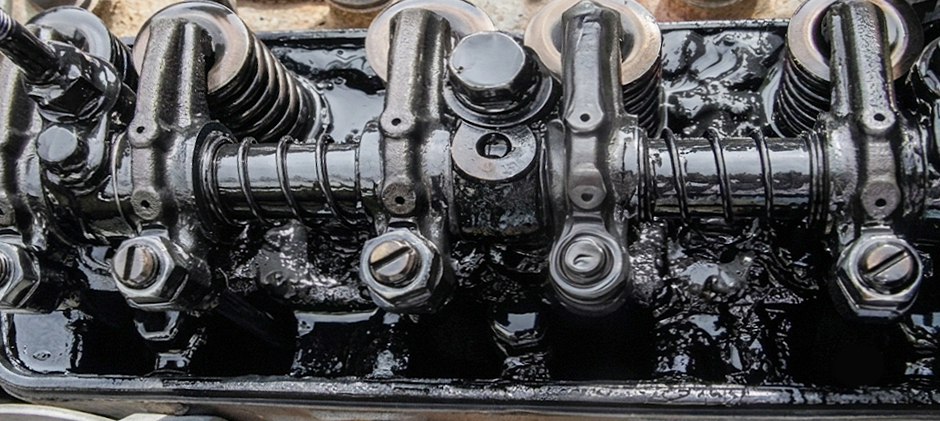
What Happens When Oil Sludge Is in the Engine?
Oil sludge holds heat in your engine instead of letting it escape. Once it builds up, it leads to lots of serious issues:
- Clogged oil lines: Sludge blocks oil passages and the pump filter, so key engine parts don’t get enough oil. Bearings, camshafts and turbos will wear out fast or break down entirely.
- Engine overheating: Low lubrication creates more friction and extra heat. Pair that with sludge, and your engine will overheat — this can ruin the cylinder head and head gasket.
- Quicker wear on parts: Sludge is full of tiny soot, dirt and metal bits. They act like sandpaper, slowly wearing down bearings, piston rings and cylinder walls.
- Broken turbochargers: Turbos need constant clean oil to stay lubricated and cool. Sludge cutting off oil flow damages their bearings, and fixing or replacing a turbo costs a fortune.
- Sluggish performance & worse gas mileage: Friction and heat make the engine work overtime. You’ll feel less power, slower acceleration, and end up burning more fuel.
What Causes Sludge in an Engine?
- Too hot or too cold engine temps: Heavy machines run under heavy loads for hours, and the heat makes oil wear out quickly. Short running times are just as bad too. If the engine never warms up fully, moisture and leftover fuel stay trapped in the oil, and sludge starts to form.
- Dirt and other contaminants: Job sites are full of dust and grime. A faulty air filter lets this debris get into the oil. Diesel engines also make lots of soot when running, which is a major cause of sludge. Coolant leaks make it even worse — they turn oil into thick, gunky sludge.
- Putting off oil changes: Waiting too long to replace oil and filters is a surefire way to get sludge. Old oil gets dirty and loses its protective properties, letting grime build up inside the engine.
- Using the wrong oil: Cheap oil or oil that doesn’t match your engine’s specs leads to more sludge. Good quality oil has special additives that keep dirt and soot floating around until your next oil change.
- Too much idling: It’s normal for heavy equipment to sit idling on job sites, but this keeps the engine cool. Fuel doesn’t burn fully, so extra fuel and soot mix into the oil and create sludge.
- Broken or clogged crankcase ventilation: This system clears out moisture and harmful fumes from the engine. If it gets clogged or stops working, all that moisture and grime stays inside and mixes with oil to form sludge.
How to Remove Sludge from the Engine?
The way you fix sludge depends on how bad it is.
Light Sludge Buildup
If you spot sludge early, use a reliable engine flush. Add it to your old oil before draining. Its cleaning agents break down loose gunk. Stick strictly to the product instructions: only let the engine idle for the stated time, don’t drive or run it under load.
Moderate to Heavy Sludge
Chemical flushes are risky here. They can loosen big chunks of hard sludge, which may block oil lines and lock up the engine right away. Manual cleaning is the safest choice:
- Drain all the old oil.
- Take off the oil pan and valve covers.
- Scrape off thick sludge from the pan, oil pump screen and other accessible parts.
- Clean all parts thoroughly with solvent and brushes, then put them back with new gaskets.
This is tough work. If you’re not experienced, have a professional mechanic do it.
Refill and Follow Up
Once the sludge is cleaned out, add top-grade diesel oil that matches your engine’s requirements, and fit a new quality oil filter. To get rid of leftover grime, change the oil again earlier than your normal schedule.
How to Prevent Oil Sludge?
Preventing sludge is way easier and cheaper than repairing the damage. Just follow these simple daily care tips.
- Keep up with oil changes: Change your oil and filter on the schedule the maker recommends. If you work in dusty, hot or tough conditions, replace them even more frequently.
- Pick the right engine oil: Always use quality diesel oil that fits your engine’s requirements. Modern diesel oils have special additives to cut down soot and gunk, and keep the engine clean.
- Warm up the engine first: Don’t put heavy loads on a cold engine right away. Let it run for a few minutes so oil flows fully and protects all moving parts.
- Maintain the cooling system: Overheating makes oil break down quickly. Check coolant levels regularly, and look out for leaks or worn parts.
- Swap out dirty air filters: A clean air filter keeps dust and dirt out of the engine. Check it often and replace it when dirty, especially on dusty job sites.
- Cut down on unnecessary idling: Letting the engine sit idle for too long lets fuel and soot mix into the oil. Turn it off when you don’t need it to keep oil clean.
- Check the crankcase ventilation system: Make sure this part works well. If it gets clogged, moisture and harmful fumes get trapped inside, and that leads to sludge.
Wrapping Up
Engine sludge seriously harms heavy-duty diesel engines and shortens their service life. You can clean it out, but regular maintenance and quality oil are the best ways to stop it in the first place. When you need new oil filters or diesel engine parts, FridayParts has plenty of stock at great prices. Get what you need quickly and reliably to get your equipment back up and running.
