

KIOTI is the international brand of Daedong, a South Korean company that has been making farm equipment since 1947. After producing its first tractor in 1968, Daedong expanded to the United States in 1993 and introduced the KIOTI brand to American customers. Your Kioti serial number and model are important for anything related to your machine. You’ll need them to order parts, book service work, or figure out your equipment’s resale value. This guide shows you where to find these numbers and how to read them easily.
Where Are the Model and Serial Numbers on My Kioti Equipment?
Kioti places the identification plate in different locations depending on the type of equipment. Here’s a quick rundown of the most common spots:
Tractors: Common locations include the transmission housing near the clutch pedal, or on the tractor frame around the front axle and front wheel area.
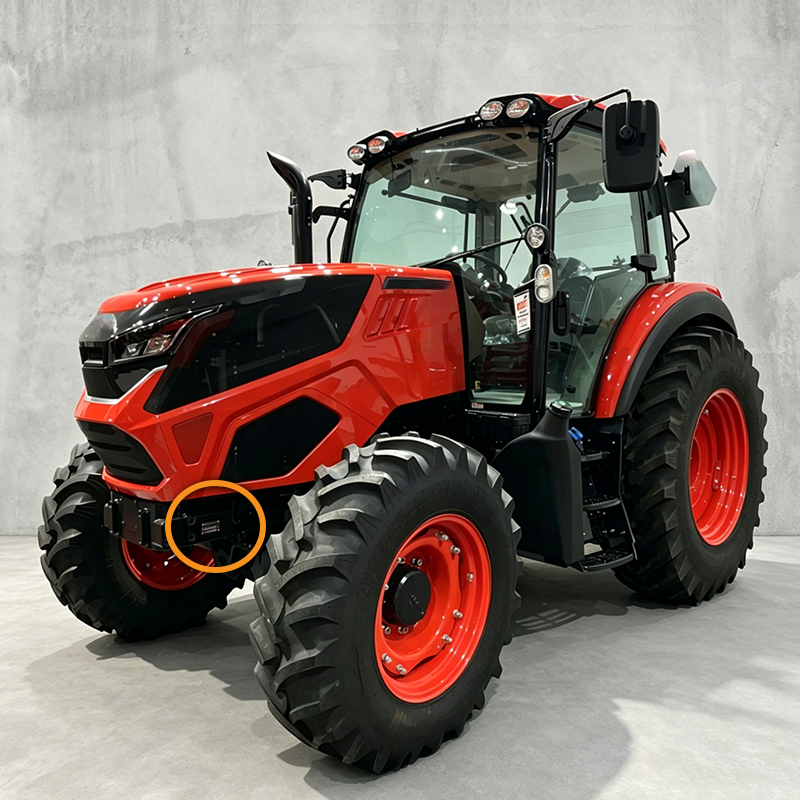
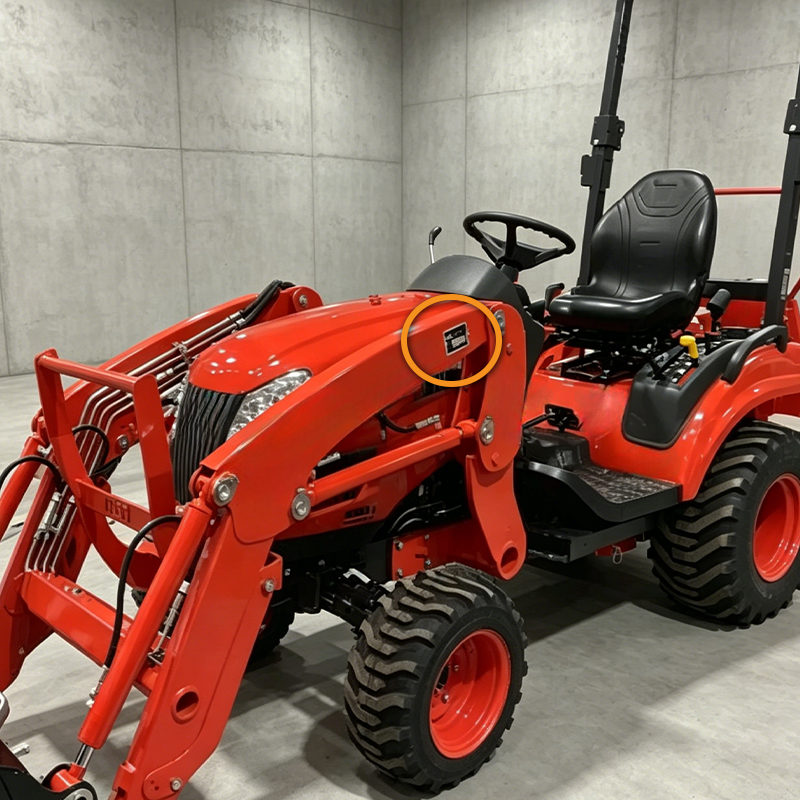
Loaders: On Kioti front-end loaders, the serial number or identification plate is usually attached to the loader frame, often on the loader tower or boom arm where it is easy to inspect.
UTVs: On many Kioti UTVs, the serial number plate is mounted on the chassis frame, typically on the passenger side of the vehicle and accessible from underneath.
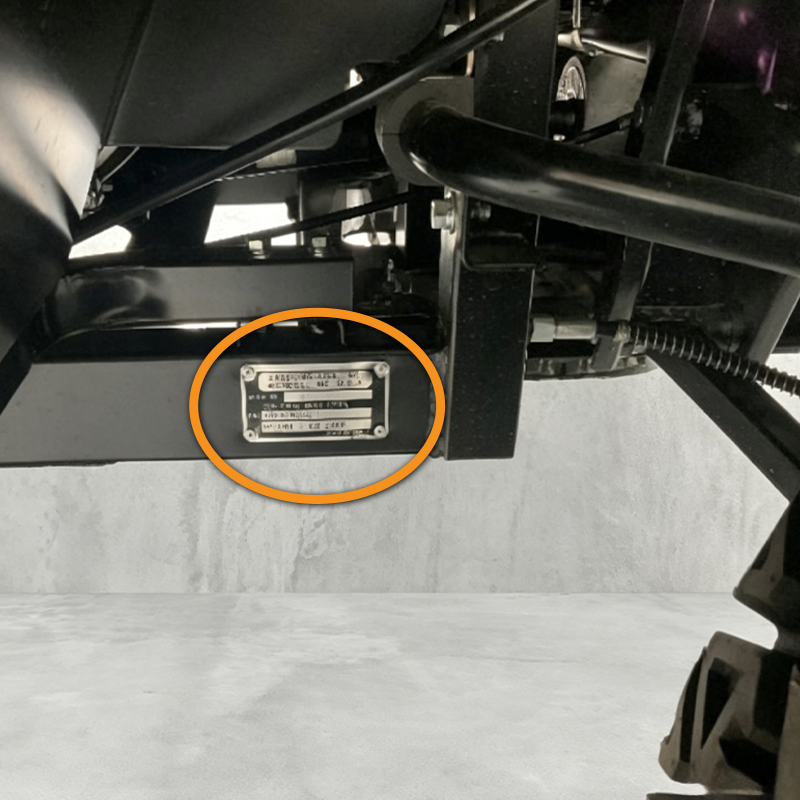
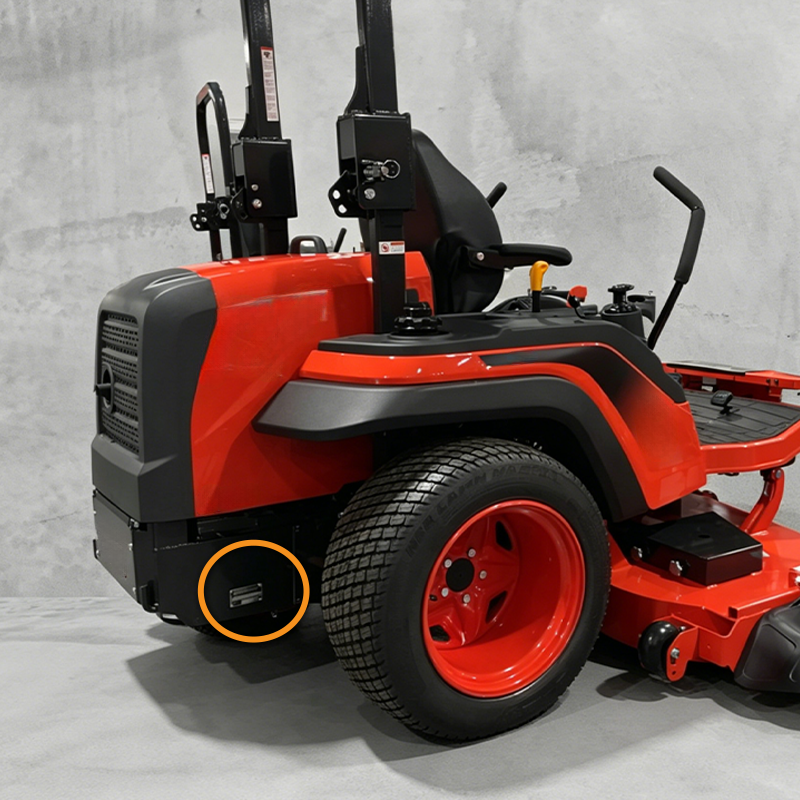
Mowers: For Kioti zero-turn mowers, tags sit either on the front mower deck frame or on the rear engine compartment beside the back wheel.
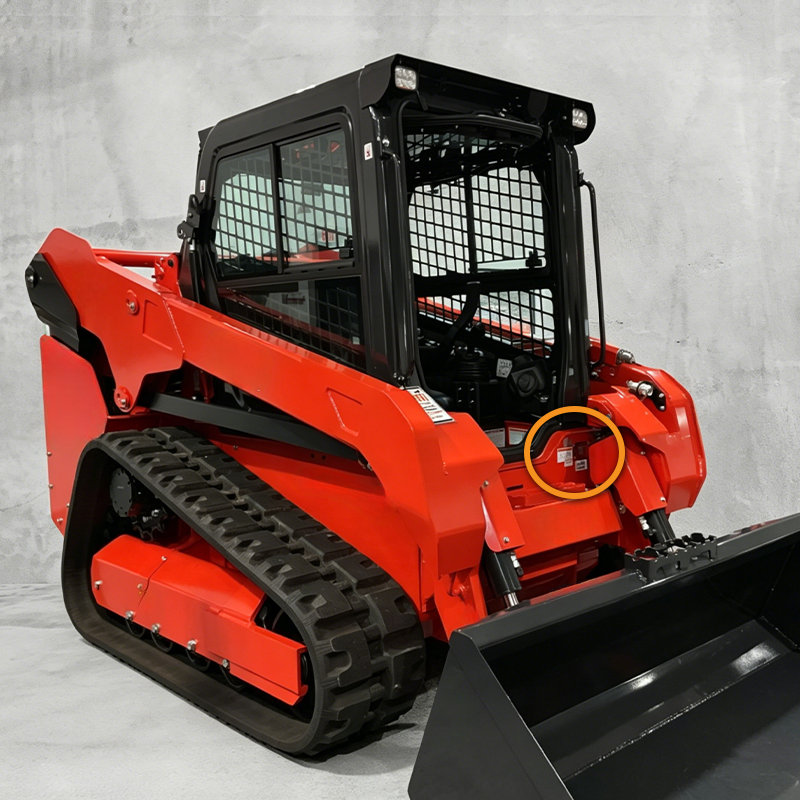
Skid Steers: Kioti’s skid steer loaders, part of the new SL and TL series, generally have their serial number plates on the machine’s frame, typically near the cab or engine compartment.
Kioti Serial Number Decoded
Once you’ve located the serial number, you can start to decipher the information it holds, particularly the manufacturing year. Kioti’s system for serial numbers has evolved over time.
Older Models (Pre-2004):
For older Kioti tractors, the serial number often began with a digit that corresponded to the last number of the manufacturing year. For example, a serial number starting with “4” could indicate a production year of 1994.
Modern Models (2004-Present):
Starting in 2004, Kioti transitioned to using a letter at the beginning of the serial number to denote the production year. This system is more straightforward, but with a few quirks:
- The lettering began with “D” for the 2004 model year.
- To avoid confusion with the numbers one and zero, the letters “I” and “O” are skipped.
- The letter “Q” is also typically skipped.
Based on discussions and patterns observed by owners, the year-to-letter correspondence is as follows:
| Letter | Year |
|---|---|
| D | 2004 |
| E | 2005 |
| F | 2006 |
| G | 2007 |
| H | 2008 |
| J | 2009 |
| K | 2010 |
| L | 2011 |
| M | 2012 |
| N | 2013 |
| P | 2014 |
| R | 2015 |
| S | 2016 |
| T | 2017 |
| U | 2018 |
| V | 2019 |
| W | 2020 |
| X | 2021 |
| Y | 2022 |
| Z | 2023 |
Example:
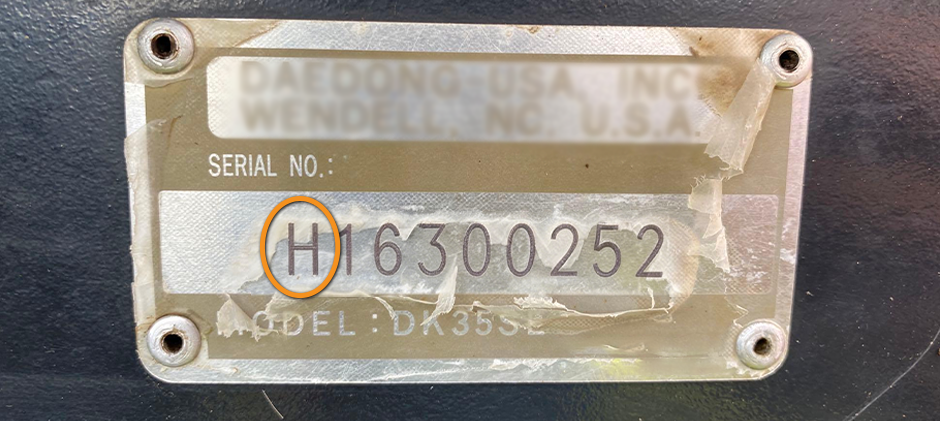
Based on the standard encoding system for Kioti tractor serial numbers, we can analyze this number to find the year of manufacture.
- Key Identifier: The first character of the serial number is the letter “H”.
- Year Decoding: For tractors manufactured from 2004 onwards, Kioti uses a letter to represent the production year. The system starts with “D” for 2004 and progresses alphabetically, skipping the letters “I” and “O” to avoid confusion with the numbers 1 and 0.
The plate in the second image belongs to a 2008 Kioti DK35SE tractor.
“Think of it like this: the Model Number shows what kind of equipment you own, but the Serial Number shows exactly when it was made and what parts were used.”
Sort Kioti Tractors by Series
CK Series
| CK20S | 22 hp | 2007 – 2014 |
|---|---|---|
| CK25 | 25 hp | 2004 – 2007 |
| CK27 | 28 hp | 2008 – 2014 |
| CK30 | 30 hp | 2004 – 2014 |
| CK35 | 34 hp | 2006 – 2014 |
| CK2610SE | 24 hp | 2021 – 2022 |
| CK3510SE | 34 hp | 2017 – 2022 |
| CK4010SE | 39 hp | 2017 – 2022 |
CK10 Series
| CK2510 | 24 hp | 2014 – 2026 |
|---|---|---|
| CK3510 | 34 hp | 2015 – 2022 |
| CK4010 | 39 hp | 2015 – 2022 |
CK20 Series
| CK2620 | 24 hp | 2023 – |
|---|---|---|
| CK2620SE | 24 hp | 2023 – |
| CK3520 | 34 hp | 2023 – |
| CK3520SE | 34 hp | 2023 – |
| CK4020 | 39 hp | 2023 – |
| CK4020SE | 39 hp | 2023 – |
CS Series
| CS2210 | 21 hp | 2016 – |
|---|---|---|
| CS2220 | 21 hp | 2020 – |
| CS2410 | 24 hp | 2012 – 2014 |
| CS2510 | 24 hp | 2016 – |
| CS2520 | 24 hp | 2020 – |
| CS2530 | 24 hp | 2025 – |
CX Series
| CX2510 | 24 hp | 2021 – |
|---|
DK Series
| DK35 | 35 hp | 2001 – 2007 |
|---|---|---|
| DK45 | 45 hp | 2000 – 2007 |
| DK45SE | 45 hp | 2007 – 2017 |
| DK45S | 45 hp | 2005 – 2007 |
| DK50 | 49 hp | 2001 – 2005 |
| DK55 | 55 hp | 2003 – 2007 |
| DK65 | 64 hp | 2002 – 2005 |
| DK65S | 64 hp | 2005 – 2008 |
DK10 Series
| DK4510 | 45 hp | 2015 – 2025 |
|---|---|---|
| DK5010 | 50 hp | 2015 – 2025 |
| DK5510 | 55 hp | 2015 – 2025 |
DS Series
| DS3510 | 34 hp | 2011 – 2016 |
|---|---|---|
| DS4110 | 41 hp | 2009 – 2016 |
| DS4510 | 45 hp | 2009 – 2016 |
EX Series
| EX35 | 38 hp | 2008 – 2013 |
|---|---|---|
| EX40 | 41 hp | 2008 – 2013 |
| EX45 | 45 hp | 2008 – 2013 |
| EX50 | 49 hp | 2008 – 2013 |
HX Series
| HX1151 | 115 hp | 2021 – |
|---|---|---|
| HX1301 | 130 hp | 2021 – |
| HX1401 | 140 hp | 2021 – |
| HX9010 | 90 hp | 2021 – |
LB Series
| LB1914 | 19 hp | 1995 – 2008 |
|---|---|---|
| LB2614 | 26 hp | 1988 – 1993 |
LK Series
| LK2552 | 24 hp | 1998 – 1999 |
|---|---|---|
| LK2554 | 24 hp | 1994 – 2005 |
| LK3052 | 30 hp | 1993 – 2003 |
| LK3054 | 30 hp | 1993 – 2003 |
| LK3504 | 35 hp | 1999 – 2002 |
NS Series
| NS4710 | 44 hp | 2022 – |
|---|---|---|
| NS5310 | 50 hp | 2022 – |
| NS6010 | 57 hp | 2022 – |
NX Series
| NX4510 | 45 hp | 2014 – 2024 |
|---|---|---|
| NX5010 | 50 hp | 2014 – 2024 |
| NX5510 | 55 hp | 2014 – 2024 |
| NX6010 | 60 hp | 2014 – 2024 |
PX Series
| PX1053 | 103 hp | 2016 – 2026 |
|---|---|---|
| PX1153 | 110 hp | 2016 – 2026 |
| PX9020 | 91 hp | 2015 – 2025 |
| PX9530 | 93 hp | 2016 – 2026 |
RX Series
| RX6010 | 59 hp | 2012 – 2013 |
|---|---|---|
| RX6620 | 66 hp | 2014 – 2024 |
| RX7320 | 73 hp | 2014 – 2024 |
Why the Kioti Serial Number Matters?
While the model number tells you the type of equipment you have, the serial number is a unique fingerprint that provides exact details.
- Ordering Correct Parts: The most critical function of a serial number is to ensure you get the right parts. Manufacturers often make small changes to models during a production run. The serial number guarantees that a replacement part is compatible with your specific machine.
- Accessing Service History: Technicians use the serial number to look up maintenance logs, repair records, and any applicable technical service bulletins (TSBs) issued by Kioti.
- Warranty and Registration: The serial number is required for all warranty claims and for registering your equipment with the manufacturer.
- Theft Recovery: If your equipment is ever stolen, a registered serial number is essential for law enforcement to identify and recover your property.
- Resale and Valuation: An accurate serial number provides verifiable production data, which helps in assessing the fair market value of the machine when you decide to sell it.
Final Thought
Your Kioti serial number can help you find the right parts, access accurate service information, and verify your machine’s history and specifications. Need replacement parts? Use your serial number to shop for Kioti replacement parts at FridayParts. It helps ensure the parts match your machine and keep repair costs under control.
