

A thorough wheel loader service routine catches wear early, preventing slow cycle times, weak bucket response, and costly unplanned downtime. Most problems start with a few common wear parts and show warning signs before failure. Bucket teeth and cutting edges wear fastest because they take the direct hit from the material. Pins and bushings loosen from repeated loading cycles. Hydraulic hoses and seals fail from heat, pressure spikes, and chafing. Tires and the articulation joint round out the list. None of these fail without warning — the trick is checking them before a shift, not after a breakdown.
Key Wear Parts to Check on a Wheel Loader
The first parts to inspect are the ones that touch material, carry repeated load, or move under force all day. On most loaders, these parts show wear before larger systems fail. That is why a smart wheel loader service routine starts at the bucket and then moves to the linkage and center joint.
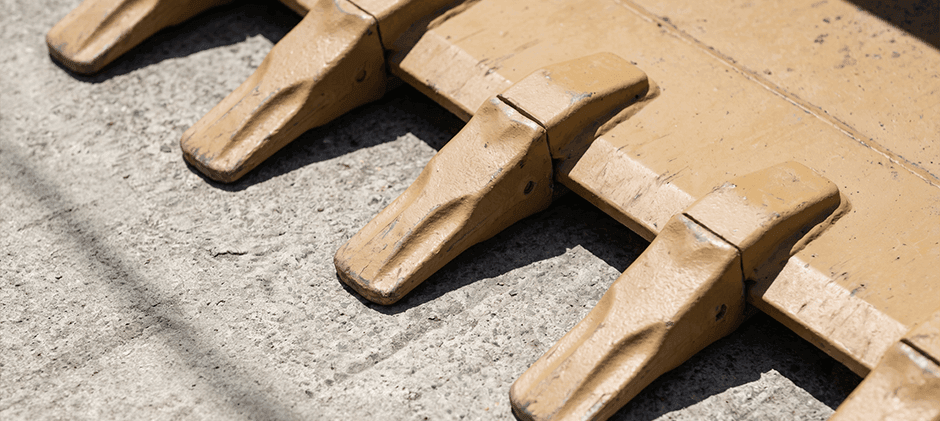
Bucket teeth, adapters, and cutting edge
The bucket’s ground-engaging parts usually wear the fastest, including the teeth, adapters, retainers, side cutters, and cutting edge. In sand, gravel, rock, and other abrasive materials, tooth points lose shape quickly. Once the profile becomes blunt, the bucket meets more resistance entering the pile, which can increase breakout resistance, fuel use, and cycle time.
When checking this area, focus on a few basic points:
- Compare a worn tooth with a new one to see how much of the original profile is gone
- Inspect the adapter under the tooth, since a new tooth will not stay tight for long on a worn adapter
- Check whether the cutting edge is becoming too thin, bent, or cracked
- Look for wear on the bucket lip and side protection before damage spreads further
If wear is found early, replacing bucket teeth or the cutting edge is often enough to protect the bucket structure and maintain consistent loading performance. If wear has already changed how the bucket enters the pile, replacement should move up the service priority list.
Side cutters, wear plates, pins, and bushings
After the bucket edge, the next areas to inspect are the parts that protect high-contact surfaces and support bucket movement. Side cutters and wear plates absorb abrasion, while pins and bushings carry repeated movement and load at the linkage. Although these are relatively small parts compared with major structures, they have a major effect on machine feel and long-term repair cost.
Key warning signs include:
- Thinning or wear through side cutters and wear plates
- Looseness at bucket or linkage pivot points
- Knocking or metal-to-metal contact during movement
- Visible play that allows the bucket to shift under load
Once looseness begins, it often transfers stress to the next part in line. Replacing pins and bushings before clearance becomes excessive can help prevent bore wear and a more expensive structural repair later.
Tires, brakes, and the articulation joint
Some of the most important wheel loader service items are easy to overlook because the machine can still move and load while wear builds in the background. Tires, brakes, steering components, and the articulation joint all fall into this category, and problems here can affect both productivity and safe machine control.
A practical inspection should cover the following:
- Tires: check for low tread, cuts, chunking, sidewall damage, and uneven wear
- Brakes: watch for longer stopping distance, weak pedal feel, braking noise, or vibration
- Articulation joint: inspect for looseness, clunking, visible movement, or an unstable feel during steering and travel
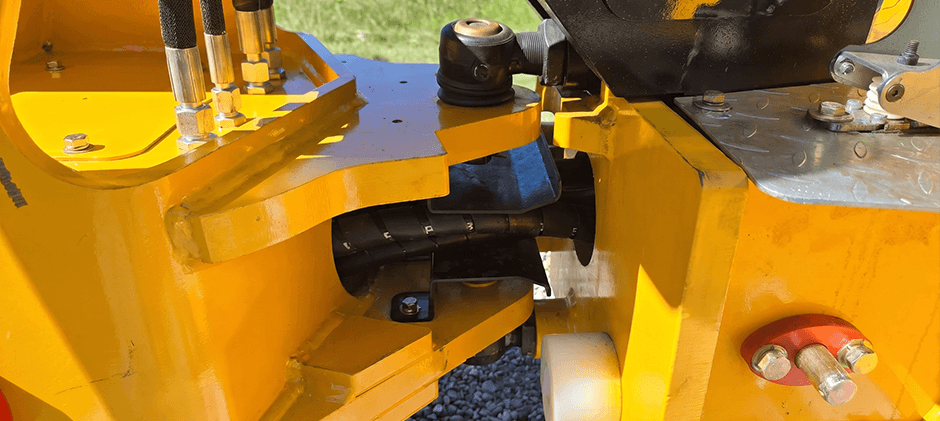
On a loader, uneven tire wear can also point to stress from the articulation system or repeated tight turning on hard ground. The center articulation joint is especially important because its pins and bushings carry frame movement, steering action, and repeated loading shock. Wear in this area can make the machine feel loose or unstable long before a full failure appears.
Common Signs That Wear Parts Need Replacement
Most wear parts show clear warning signs before failure. In wheel loader service, these signs matter because they often appear before major downtime, loss of control, or damage to the next part in line.
Bucket and linkage warning signs
Look for these signs:
- Rounded or blunt tooth points
- Broken or missing teeth
- Loose fit between the tooth and the adapter
- Uneven wear across the bucket
- Thin, bent, or cracked cutting edge
- Slower penetration into the pile
- Thinning metal on bucket sides
- Wear through protective plates
- Play at linkage joints
- Knocking during lift or tilt movement
- The loose bucket feels under load
Tires, brakes, and articulation warning signs
Check tires for:
- Low tread
- Cuts or chunking
- Sidewall damage
- Uneven wear
- Loss of traction
Check brakes for:
- Longer stopping distance
- Weak pedal feel
- Noise during braking
- Vibration during stopping
Watch for these signs at the articulation and steering area:
- Heavy or uneven steering
- Jerky articulation movement
- Clunking from the center joint
- Visible movement at the articulation area
- Delayed forward or reverse response
- Slipping under load
- Unusual noise during travel
Heavy steering is not always a steering-part problem. Low hydraulic oil, restricted flow, articulation resistance, or a steering-priority issue may appear first. This is another reason wheel loader service should include both visual inspection and attention to machine feel during operation.
Hydraulic Wear Points That Affect Loader Performance
Hydraulic parts do not touch the ground, but they are central to wheel loader service. Lift, tilt, and steering response all depend on them. When hydraulic wear starts, the loader may still work, but it usually feels slower, weaker, or less stable.
Hoses, seals, and cylinders
Hydraulic hoses wear from pressure, heat, vibration, and rubbing. Seals wear from constant cylinder travel and pressure cycles. These are common service items and should be checked often because a small leak can become a major problem fast.
Watch for:
- Hose cover abrasion
- Cracks or bulges
- Wet spots or active leaks
- Oil around the cylinder rods
- Cylinder drift under load
Pay attention to clamp points, bend areas, and moving joints. If a hose is rubbing on metal, it should not be ignored. Replacing a hose early is often enough to avoid a larger hydraulic failure. In the same way, replacing a hydraulic hose assembly or seal set at the first clear warning sign is usually cheaper than waiting for oil loss or downtime.
Cylinder drift can point to worn cylinder seals, but it may also come from internal leakage in the control valve. If drift affects safe load holding, inspection should happen before parts are ordered.
Filters, oil condition, and pump symptoms
Filters may seem minor, but they protect the systems that keep the loader working smoothly. In dusty work, they matter even more. For a complete wheel loader service check, it helps to think about filters in three groups:
- Hydraulic filters
- Engine filters, including the air filter
- Transmission filter, if equipped
Check for these signs:
- Filter restriction indicators
- Slow hydraulic response
- Weak tilt or lift feel
- Rising operating temperature
- Poor engine response in dusty conditions
A whining hydraulic sound does not always mean pump wear. In many cases, it points first to low oil level, restricted suction flow, aerated oil, or a clogged filter or strainer. Check oil level, oil condition, and filter status before assuming the pump itself is worn.
That simple order can prevent unnecessary parts replacement and make wheel loader service more accurate.
How Often to Inspect Wheel Loader Wear Parts?
There is no single inspection interval that fits every machine. Wear rate depends on material type, travel distance, ground condition, load size, and operating habits. Instead of relying on one fixed replacement hour, a better approach is to combine schedule-based checks, a short daily inspection routine, and immediate inspection when serious warning signs appear.
Replacement timing by part or area
| Part or Area | Check Timing | Replace When |
|---|---|---|
| Bucket teeth | Daily or each shift | Tips are rounded, broken, or loose |
| Adapters and retainers | Daily visual check | Fit is loose, or wear changes tooth seating |
| Cutting edge | Daily visual check | Edge is too thin, bent, or cracked |
| Pins and bushings | Regular service interval | Play, knock, or loss of control appears |
| Hydraulic hoses | Daily visual check | Abrasion, bulging, or leaks appear |
| Seals and cylinders | During service checks | Oil leakage or drift affects work |
| Hydraulic and engine filters | By service schedule | Restriction or contamination signs appear |
| Air filter | More often in dust | Restriction, dirt loading, or power loss appears |
| Tires | Daily walk-around | Damage, low tread, or casing risk appears |
| Brakes | During operation and service | Stopping performance drops |
| Articulation joint | Daily scan and interval checks | Play, clunking, or an unstable feel appears |
In short, once wear starts to change performance, that part should move higher on the list. Good wheel loader service is based on condition as much as on schedule.
Daily inspection checklist
A daily check works best when it is short, repeatable, and focused on the parts that change quickly. Instead of trying to inspect everything in depth, use a pre-shift routine that catches the most common wear signs first.
Pre-shift quick checklist
- Inspect bucket teeth, adapters, cutting edge, and bucket sides.
- Look for fresh oil leaks under the machine and around cylinders.
- Check hoses for rubbing, cracks, or bulges.
- Inspect tires for visible damage and uneven wear.
- Scan linkage points and the articulation joint for looseness.
- During the first cycles, listen for knocking and confirm normal lift, tilt, steering, and brake feel.
This kind of checklist supports wheel loader service because it turns wear inspection into a habit, not a catch-up job. A few minutes before the first load cycle can prevent hours of downtime later.
Signs that require immediate inspection
Some warning signs should not wait until the next planned service break.
Stop and inspect if you see:
- Active hydraulic oil spray
- Metal-to-metal knock at a pivot point
- Sudden brake weakness
- Severe tire sidewall damage or rapid air loss
- Cylinder drift that affects safe load holding
- Sudden steering instability under load
If the problem affects control, stopping, or load holding, it is no longer a routine note. It is an immediate inspection item.
Final Thoughts
Good wheel loader service is really about catching wear early and replacing small parts before they create bigger, more expensive problems. Paying attention to common wear areas like bucket teeth, pins and bushings, hydraulic hoses, tires, and articulation components can help reduce downtime and keep the machine working efficiently. When replacement is needed, having the right part information ready makes the process much easier. For many common wheel loader wear part replacements, FridayParts can be a practical source for finding compatible options quickly.
