

The fuel rail pressure sensor is a small but critical component in a diesel engine. When it fails, you may suffer from poor performance, increased fuel consumption and costly breakdowns at the worst moment. This guide covers everything you need to know about the fuel pressure sensor, including functions, symptoms, causes and replacement. Move on to reading now!
What Is A Fuel Rail Pressure Sensor?
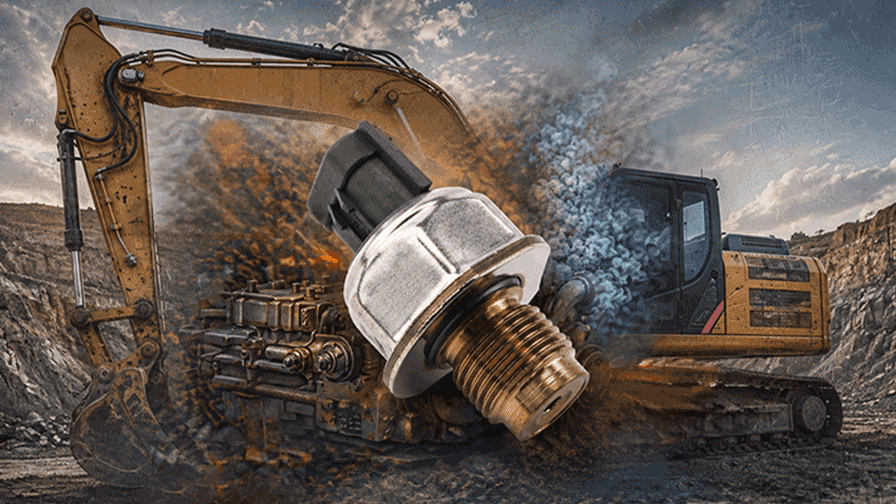
A fuel rail pressure sensor is also called a fuel pressure sensor or a high-pressure sensor. Its main function is to monitor the pressure inside the fuel rail. The fuel rail is a cylindrical or rectangular metal tube that connects the engine to the fuel system. As fuel goes through the rail, the electric sensor measures the pressure and sends a signal to the engine control module (ECM). It is important to maintain proper fuel pressure for smooth performance and optimal power. If it fails, you may experience a range of problems.
Where is the Fuel Rail Pressure Sensor Located?
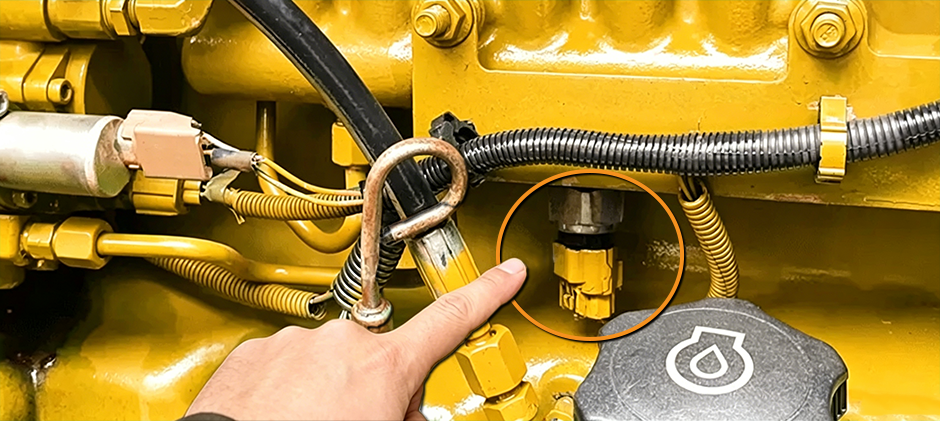
The fuel rail pressure sensor location can be different depending on your engine’s layout. Generally, the sensor is mounted on the metal fuel rail. It is on the other end of the pipe from the pressure control valve.
Bad Fuel Rail Pressure Sensor Symptoms
If the fuel pressure sensor goes bad, the ECM will no longer receive accurate pressure data, and fuel delivery cannot be regulated properly. While the sensor is built to last, early failure can occur due to contaminated fuel, heat exposure, or electrical faults. Catching the early warning signs can help you avoid a costly complete breakdown. These are common signs of a faulty fuel rail sensor:
- Check engine or warning light on
- Difficulty starting the engine
- Loss of power and poor performance
- Rough idling or misfires
- Increased fuel consumption
- Black or excessive exhaust smoke
Read the Full Guide on Fuel Rail Pressure Failing Signs here.
What Causes A Fuel Rail Pressure Sensor to Go Bad?
Understanding what causes a fuel rail pressure sensor to fail can help you prevent future problems. These sensors are delicate electronic components constantly exposed to harsh operating conditions.
- Fuel Contamination: Microscopic debris or water in the fuel can clog or damage the sensor’s sensing element over time. Replacing fuel filters at regular service intervals and using clean, high-quality diesel fuel can significantly reduce this risk.
- Electrical Faults: Cracked wire insulation, corroded connectors, or voltage spikes in the electrical system can all cause the sensor to malfunction or send inaccurate readings to the ECM.
- Heat and Vibration: Diesel engines in agricultural and heavy-duty equipment generate significant heat and vibration during operation. Prolonged exposure to these conditions can gradually degrade the sensor’s internal circuitry.
- Age and Wear: Like any electronic component, fuel rail pressure sensors have a finite service life. Regular inspection as part of routine maintenance can help you identify early signs of wear before a complete failure occurs.
How to Test a Fuel Rail Pressure Sensor with A Multimeter?
If you suspect your fuel rail pressure sensor is failing, you can perform a basic electrical test with a multimeter. These are the steps:
- Locate your fuel pressure sensor on the fuel rail
- Disconnect the electrical connector
- Set your multimeter to Ohms
- Attach the multimeter probes to the sensor terminals and check for continuity
- Replace your faulty sensor if there’s no continuity
- If continuity is present, reconnect the electrical connector.
- Use a diagnostic scan tool to read live fuel pressure data from the sensor while the engine is running, and compare the readings to your engine’s specified pressure range
If you don’t have a multimeter, here’s a 5-minute checklist:
- Is your check engine light illuminated with fuel pressure codes?
- Does your engine experience rough idle or stalling issues?
- Have you noticed decreased fuel economy in recent weeks?
- Does the engine hesitate or stumble during acceleration?
- Are there hard-starting problems, especially when cold?
If your answer is “yes”, the fuel rail pressure sensor failure is highly likely. Professional diagnosis confirms the problem before expensive repairs.
Easy Steps to Replace Fuel Rail Pressure Sensor
Replacing a fuel rail pressure sensor on a diesel engine is straightforward. Always consult the service manual specific to your engine model before starting, as sensor location and access procedures can vary across machines.
Step 1: Safety First
Turn off the engine and allow it to cool completely. Disconnect the negative battery terminal to prevent any electrical issues during the repair.
Step 2: Relieve Fuel System Pressure
Before removing any fuel system component, the high-pressure fuel must be safely relieved. Follow your engine manufacturer’s procedure to depressurize the system safely.
Step 3: Locate the Sensor
Find the fuel rail pressure sensor on the fuel rail. It is typically mounted at the opposite end from the pressure control valve or pressure limiting valve. Remove any surrounding components such as wiring harnesses, brackets, or engine covers that may be blocking access.
Step 4: Disconnect the Electrical Connector
Unplug the sensor’s electrical connector carefully. Press the release tab on the connector and pull the housing directly.
Step 5: Remove the Old Sensor
Use the appropriate socket size to unscrew the sensor from the fuel rail. Have a clean cloth ready to catch any residual fuel that may escape. Inspect the mounting threads on the fuel rail for any damage or debris before installing the new sensor.
Step 6: Install the New Sensor
Thread the new sensor in by hand first to avoid cross-threading, then tighten to the torque specification stated in your engine’s service manual. Reconnect the electrical connector securely until you hear or feel it click into place.
Step 7: Reconnect the Battery and Test
Reconnect the negative battery terminal. Start the engine and allow it to idle. Check around the sensor for any sign of fuel leaks. Use a diagnostic scan tool compatible with your engine’s system to read live fuel pressure data and confirm the sensor is reading within the correct range. Clear any stored fault codes if needed.
Can I Operate with A Bad Fuel Rail Pressure Sensor?
Technically, a diesel engine may continue to run with a faulty fuel pressure sensor, but it is strongly not recommended. When the sensor fails, the ECM loses accurate pressure data and is forced to operate on default values. That means the fuel delivery is no longer precisely controlled. Over time, this puts additional stress on the injectors, fuel pump, and other high-pressure components. As a result, the small sensor issue can develop into a far more expensive repair. In agricultural and heavy-duty applications, unexpected power loss under load can also cause serious equipment downtime. Replacing the sensor promptly is always the safer and more cost-effective choice.
Conclusion
Recommended Reading
How to Test a Fuel Pressure Regulator?
8 Symptoms of a Bad Fuel Pressure Regulator
Diesel Fuel Pressure Gauges Abnormal Reading Troubleshooting
