How-tos

Access step-by-step repair and maintenance guides to keep your off-road equipment running smoothly with our expert tips!

All

How to Confirm Tractor Hydraulic Pump Compatibility Beyond the Part Number?
Jul 19, 2026

How to Confirm Tractor Hydraulic Pump Compatibility Beyond the Part Number?

Don’t rely on an OEM number alone. This guide explains how to confirm tractor hydraulic pump compatibility beyond the part number. Learn to check rotation, measure the mounting flange and shaft, and match performance specs to get the right part.

How to Choose the Right Tractor Box Blade?
Jul 18, 2026

How to Choose the Right Tractor Box Blade?

Choosing the right tractor box blade comes down to four things: matching width to horsepower, knowing when a box blade is the right tool, picking the right features, and comparing it to other implements. A 4-foot blade suits 15–25 HP sub-compacts; 5-foot for 25–40 HP compacts; 6–7 feet for 45–70 HP utility tractors. The blade must cover your rear tire tracks. Key features include scarifier shanks (at least four with adjustable depth) and replaceable reversible cutting edges. Weight prevents bouncing—4-foot blades run 380–450 lb, 6-foot 500–750 lb. Box blades excel at rough grading and driveway repair. Replace worn shanks and cutting edges to maintain performance.

Hydraulic Cylinder Seal: Types, Selection & Measurement
Jul 18, 2026

Hydraulic Cylinder Seal: Types, Selection & Measurement

Thinking about buying a complete hydraulic cylinder seal kit? You might run into a few questions. In this guide, we’ll talk about all you need to know about the hydraulic cylinder seal before making a purchase.

Metric Bolt Torque Chart  Used on John Deere Equipment
Jul 17, 2026

Metric Bolt Torque Chart Used on John Deere Equipment

Master your repairs with our essential metric bolt torque chart for John Deere. This summary explains how to find the right torque for any bolt size and grade, whether dry or lubricated, ensuring a secure and safe fix every time.

What Year Is My EZGO Golf Cart? EZGO Serial Number Lookup
Jul 17, 2026

What Year Is My EZGO Golf Cart? EZGO Serial Number Lookup

Knowing your exact model year and serial number ensures you get the right parts every time you shop for upgrades or replacements. We hope reading this easy guide means you no longer need to ask “What year is my EZGO golf cart?”

3406 CAT Engine: History, Specs and Troubleshooting
Jul 17, 2026

3406 CAT Engine: History, Specs and Troubleshooting

With over 30 years of production history under its belt, the CAT 3406 has gone from the mechanical A-model (1973) to the electronic E-model (1993–2007). It’s a 14.6-liter big bore that puts out anywhere from 275 to 800 horsepower, which explains why it’s shown up in so many trucks and machines over the years. Here we’ll go through the engine’s background, the serial prefixes you need to know (2EK, 1LW, 5DS, and a few others), the specs that matter, and the usual trouble spots—surging, running hot, oil level rising on its own, and electronics acting up. Keep up with the service intervals—daily, 250, 500, 1,000, and 2,000 hours—and you can expect 12,000 to 15,000 hours out of it before a major overhaul. And don’t forget: check that serial prefix before you start ordering.

Transmission Control Module: From Diagnosis to Reset
Jul 16, 2026

Transmission Control Module: From Diagnosis to Reset

The TCM controls shift timing, line pressure, and torque converter lockup. When it fails, rough shifts, delayed engagement, or a stuck gear can mimic internal damage. This guide covers TCM diagnosis—module location, fault code reading, and power/wiring checks—along with two reset methods: power-down and adaptive reset with a diagnostic tool. After resetting, a relearn procedure is essential for smooth operation. A reset is only effective if the hardware is sound. If symptoms return, inspect solenoids, clutch packs, fluid, and the valve body gasket.

How to Clean a Lawn Mower Carburetor?
Jul 15, 2026

How to Clean a Lawn Mower Carburetor?

Learn how to clean a lawn mower carburetor with or without removing it. This guide explains the signs of a clogged carburetor, quick and deep cleaning methods, common mistakes to avoid, and when replacing the carburetor is the better solution.

Yamaha Serial Number Lookup: What Year Is My Yamaha Outboard?
Jul 15, 2026

Yamaha Serial Number Lookup: What Year Is My Yamaha Outboard?

When it comes to selecting the right parts for your Yamaha outboard, it’s essential to have accurate information about your motor. In this guide, we’ll walk you through Yamaha serial number lookup and how to decode the serial numebr and model code of your Yamaha outboard motor

P0402 Code: Symptoms, Causes, and Fixes
Jul 15, 2026

P0402 Code: Symptoms, Causes, and Fixes

A P0402 code tells you too much exhaust gas is being recirculated back into the engine—and that means power loss, black smoke, rough idle, and limp mode on excavators, dozers, loaders, and tractors. In this guide, we’ll cover what to look for, what’s actually causing it (carbon buildup from too much light-load running, vibration-cracked piping, and plugged Delta-P sensor lines), and a step-by-step fix: check live data, inspect the piping, clean the sampling ports, test the EGR valve, and check the wiring. One thing to avoid: don’t start by replacing the EGR valve. A good cleaning of the valve and sensor lines clears up most cases. A few prevention habits—cutting down on idle time and keeping up with crankcase filter changes—go a long way toward keeping P0402 from showing up again.

John Deere Throttle Linkage Diagram: A Complete Guide
Jul 14, 2026

John Deere Throttle Linkage Diagram: A Complete Guide

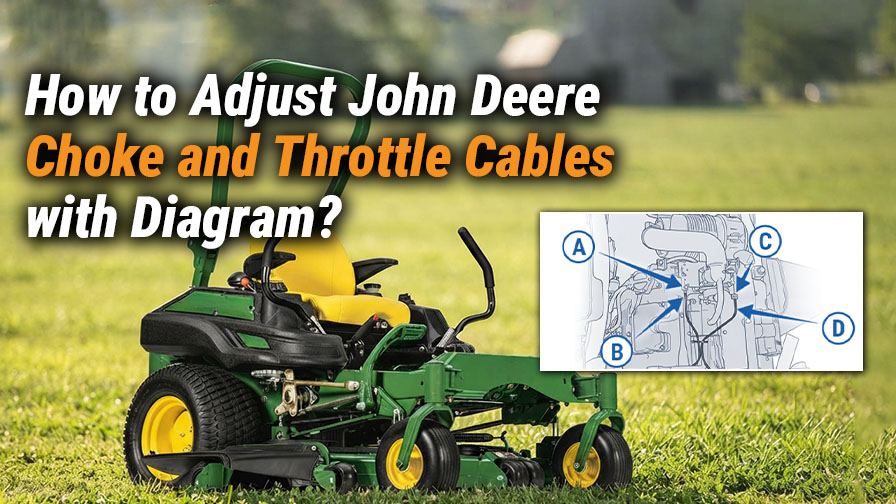
This guide explains the John Deere throttle linkage diagram for Briggs & Stratton and Kawasaki engines. Learn what each linkage part does, how to adjust the throttle and choke cables, and how to troubleshoot common throttle problems on your John Deere mower.

How to Identify and Maintain a Cummins Diesel Engine?
Jul 14, 2026

How to Identify and Maintain a Cummins Diesel Engine?

A good wheel loader service routine is all about catching wear early—before it drags down cycle times, leaves the bucket feeling weak, or puts the machine in the shop. In this guide, we’ll run through the usual trouble spots: bucket teeth, cutting edges, pins and bushings, tires, brakes, articulation joints, and hydraulic hoses. And we’ll point out what to watch for—teeth worn down to nubs, a bucket that fits loose, knocking from the linkage, drifting cylinders, or a whine from the hydraulics. Get into the habit of a daily pre-shift walk-around—check teeth, look for leaks, inspect hoses and tires, and cycle the articulation—and spotting wear becomes routine. Swap parts before they take out something else further down the line. Stick to your schedule, but don’t ignore the unexpected—if you hear metal knocking or feel the brakes getting soft, stop and inspect right away.