

Does Hydraulic Fluid Go Bad?
Hydraulic fluid breaks down from heat, moisture, and dirt. Just as serpentine belt noise signals engine trouble, milky or burnt fluid means your hydraulics are failing. Learn how to check, store, and replace your oil.
All

Hydraulic fluid breaks down from heat, moisture, and dirt. Just as serpentine belt noise signals engine trouble, milky or burnt fluid means your hydraulics are failing. Learn how to check, store, and replace your oil.
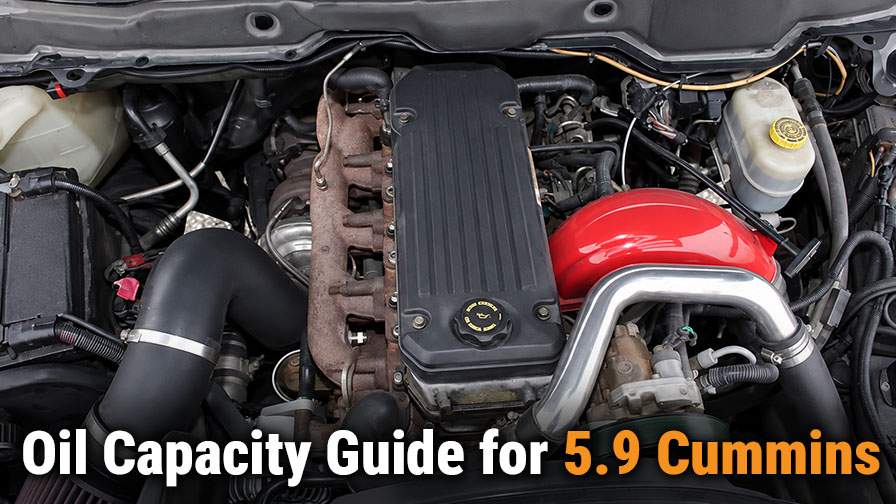
5.9 Cummins oil capacity guide. A dipstick can be misleading on an older truck. Years of repairs mean the dipstick and tube may not be the original pair. A mismatched set can make a low fill look fine or a correct fill look overfull. Before you trust the stick, check a few things. Is the truck on level ground? Did you wait long enough after shutdown? Is the tube bent or damaged? Is the dipstick the right one for the tube? Has the pan been replaced? Is the filter fully saturated? Those checks matter more than the chart on a high-mileage truck.

Before grabbing your tools, make sure your Bobcat is powered off. You need to disconnect the battery and remove the key to prevent any electrical shock or accidental starting. Then, refer to your owner’s manual to locate the fuse box. Typically, the fuse box is located under the dashboard, near the driver’s seat, or in the engine compartment. Some Bobcat models may have multiple fuse boxes.
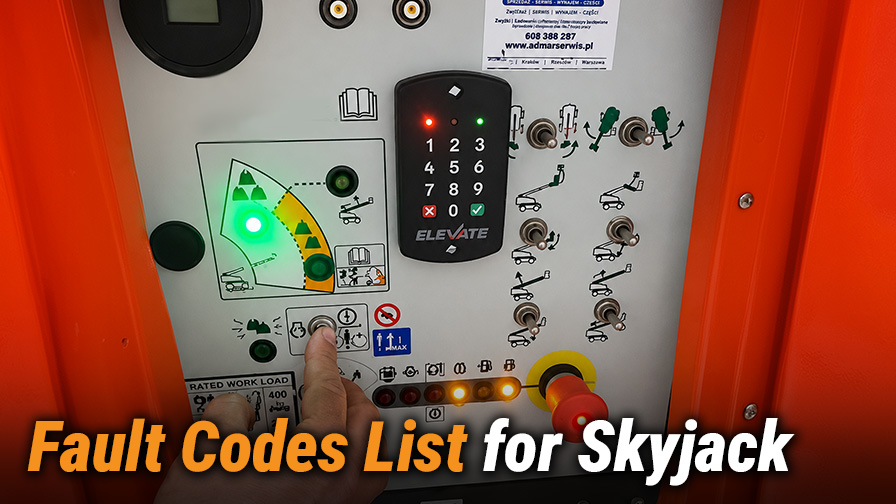
Skyjack fault codes list. A blinking LED on a scissor lift stops work quickly. Most of the time, the machine is telling you what is wrong. Every flash code uses the same X/Y pattern. One burst of quick flashes, a short pause, then a second burst. A longer pause ends the sequence. So 1/2 means one flash, then two. Before you match it to a chart, confirm which module the LED belongs to. The GP102 runs lift and drive on earlier electric scissors. The GP106 handles outriggers on rough-terrain models. The GP108 runs lift and drive on newer ANSI machines. The same flash pattern means different things on different modules.

Stihl M-Tronic is a fully electric engine management system that automatically regulates the ignition timing and fuel metering, taking into consideration of external factors, including temperature, altitude and fuel quality. Whether you’re just starting the working day or picking up your STIHL chainsaw after a break, the feature allows you to concentrate fully on your work and enjoy your power tool to the very best of its ability, no matter whether it’s warm or cold. If you’re finding your Stihl difficult to start, we provide a vast selection of Stihl chainsaw replacement parts for you.
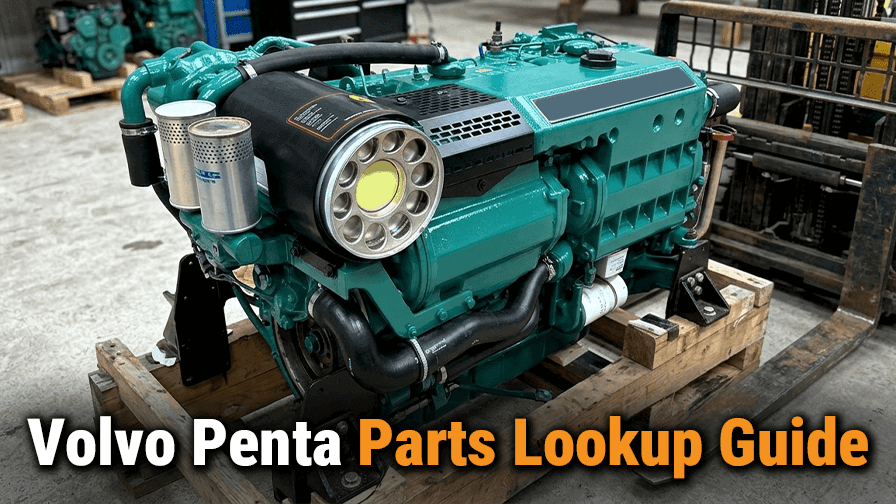
Master your Volvo Penta parts lookup with our comprehensive guide. We explain how to use exploded-view diagrams, verify superseded part numbers, and choose between OEM and aftermarket parts for reliable engine repairs.
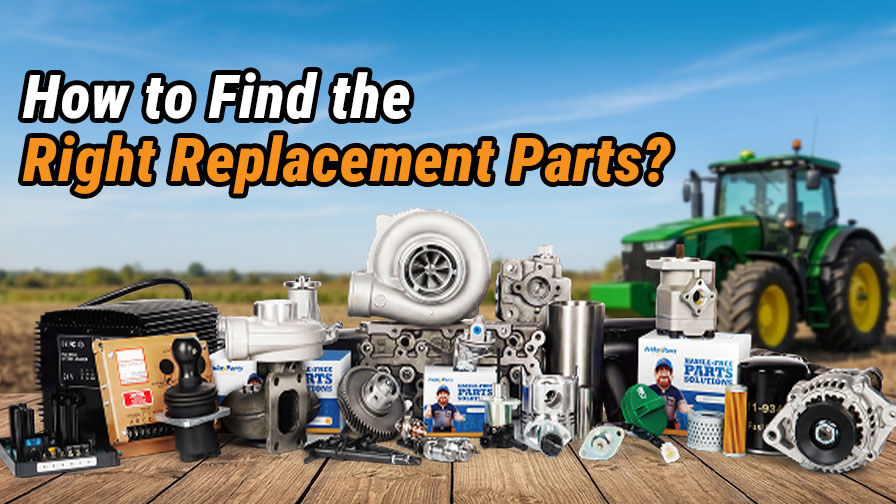
Wondering how to find replacement parts that actually fit? Discover the best ways to locate the right aftermarket components for your off-road machinery using OEM part numbers, serial numbers, and cross-reference tools.
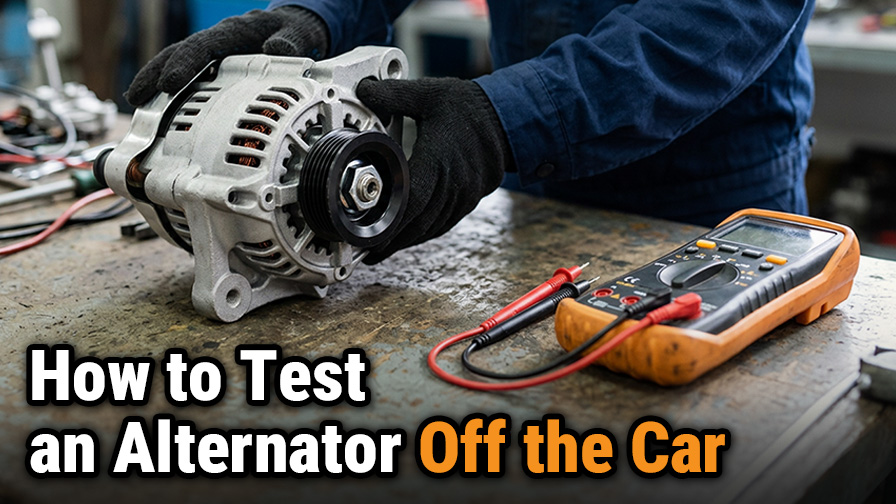
You can test an alternator off the car with a multimeter, jumper leads, and a fully charged battery — but only if you power the field circuit and spin the pulley fast enough to excite the unit, because an unexcited alternator will look dead no matter how healthy it is. That’s the premise running through this guide, which works from the vehicle to the bench in a deliberate order. First come the on-machine checks: battery voltage with the engine off, charging voltage at idle and raised RPM, and voltage under electrical load, since low readings there can just as easily trace back to a discharged battery or corroded connection as to the alternator itself. If the fault follows the unit to the bench, the guide pauses at one of the most skipped steps in charging diagnosis — the pulley. The one-way clutch common on modern alternators should lock in the drive direction, freewheel the other way, and turn without grit or wobble; a faulty one mimics a dead unit at a fraction of the repair cost. The bench tests themselves run in sequence: continuity and resistance across the rotor and slip rings, diode checks in both directions to catch a failed rectifier, and a loaded output test with the shaft at speed, watching for voltage that rises above battery level and holds steady. Rounding it out is a symptom-to-fault breakdown that sorts alternator, pulley clutch, regulator, and wiring failures apart, plus the common bench mistakes — slow spinning, missing field power, weak batteries — that send good parts to the scrap heap, and a practical ten-step order that gets you from warning light to a confident diagnosis without replacing anything that isn’t actually broken.
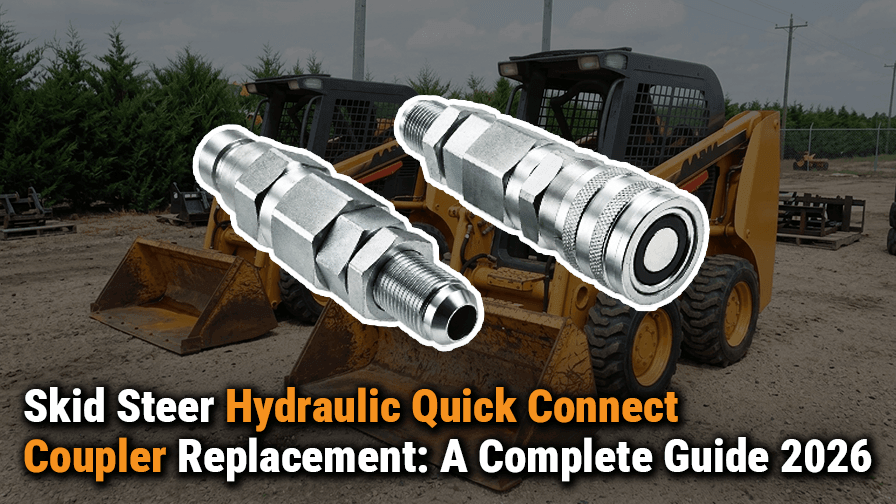
Rush to switch between an auger, grapple, bucket and snow blower, and your hydraulic quick couplers refuse to lock together? No worries. Just read for a fix!

Wondering how to install a hydraulic pump on a skid steer? Our DIY guide covers everything from draining fluid and labeling hoses to mounting the new pump and proper priming so you can get your machine back to work safely.
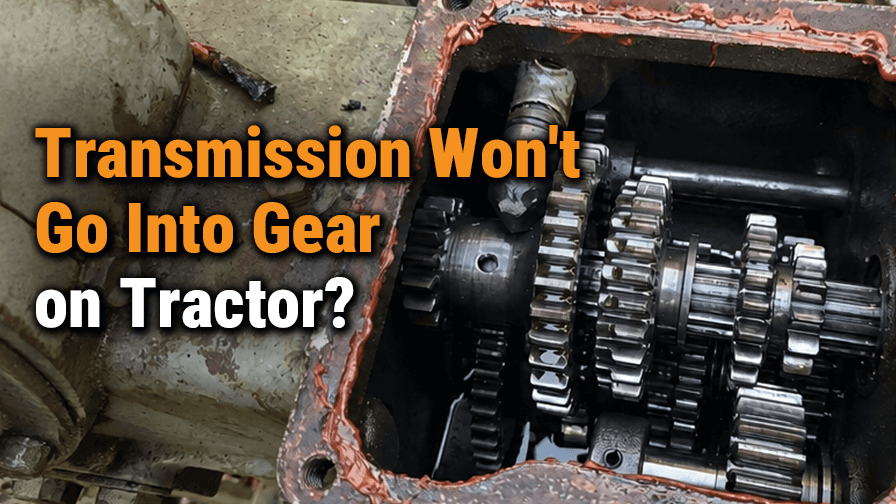
Struggling because your tractor or heavy equipment transmission won’t go into gear? This troubleshooting guide covers common causes like clutch drag, worn shift linkages, and dirty fluid, with step-by-step steps to fix them.
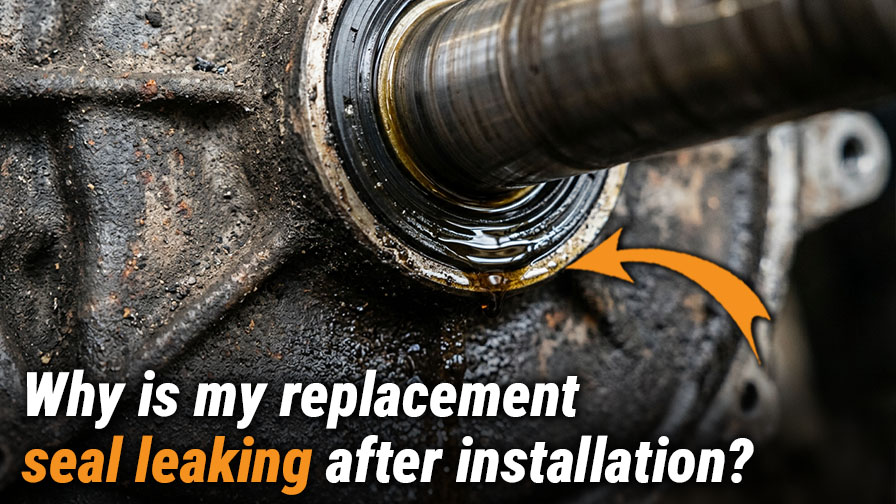
Why is a new oil seal still leaking? Most of the time it is not the seal’s fault. Check when the leak starts. If fluid shows up right after assembly, look at the fit. A nicked lip. A rolled lip. The wrong size. A seal installed backward. Dirt in the bore. If it stays dry at rest and leaks once the shaft turns, look at movement instead. Shaft runout. Worn bearings. Misalignment. Dry startup. A new seal can hold fluid while sitting still, then lose contact once the shaft moves off center. Pull the seal and look at the lip. A cut edge or a rolled lip will leak right away.