Pro Tips, News & Events

Cub Cadet Zero-Turn Reviews: Is It Worth Buying?
Sep 28, 2026

Cub Cadet Zero-Turn Reviews: Is It Worth Buying?

Cub Cadet zero turn reviews summarize owner experience: faster mowing, comfortable seats, reliable Kawasaki engines and easy maintenance. Watch for traction on slopes, stamped‑deck limits and sealed transmissions on entry models.

Genie Fault Code List: Practical Checks for GS Scissor Lifts
Sep 28, 2026

Genie Fault Code List: Practical Checks for GS Scissor Lifts

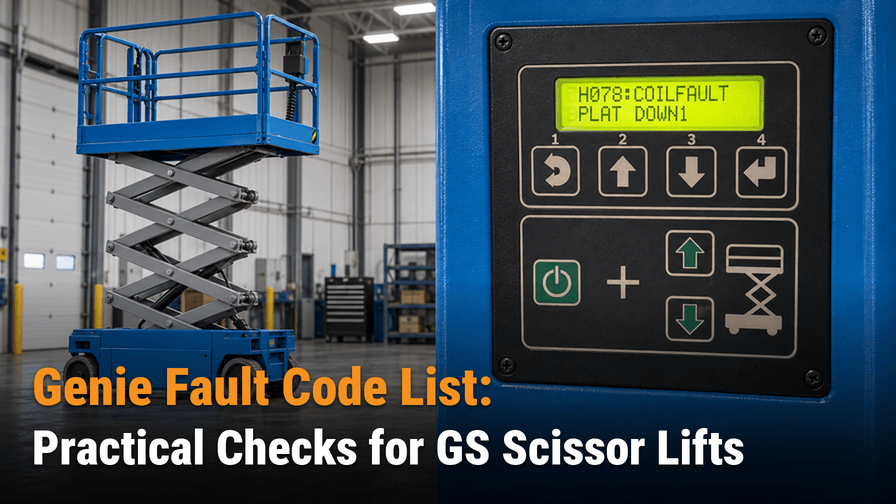
Genie fault code list: practical checks for GS scissor lifts. A good fault code list should lead you to the right circuit, not random parts swapping. On GS scissor lifts, many faults trace back to low battery voltage, coil circuit issues, joystick input problems, or broken control cables. Code 68 means low battery voltage, not overload. Code 02 usually points to a moving harness fault. Code 47 means the joystick is not returning to neutral. Codes 54 and 55 are lift coil faults. C021 means PCON not detected. Check the battery, wiring, and connectors before replacing modules. Start with the machine condition, then the power supply, then the moving harnesses.

Fendt Error Codes: What Do They Mean and How to Retrieve Them?
Sep 28, 2026

Fendt Error Codes: What Do They Mean and How to Retrieve Them?

The little keypad on the side has up and down arrows, an Enter key and an Escape key. What these buttons are going to do for you is that, at some point in time, your tractor is throwing a code and you’re going to get a picture on the dashboard and probably a number pops up underneath it.

Cub Cadet Deck Belt Diagram by Model and Deck Size
Sep 27, 2026

Cub Cadet Deck Belt Diagram by Model and Deck Size

Improper tension causes severe serpentine belt noise and premature wear. Use these 11 exact Cub Cadet deck belt diagrams to route your 42″ to 54″ riding or zero-turn mowers correctly and keep your machinery running right.

John Deere Tire Pressure Chart: PSI for Mowers, Tractors, and Gators
Sep 27, 2026

John Deere Tire Pressure Chart: PSI for Mowers, Tractors, and Gators

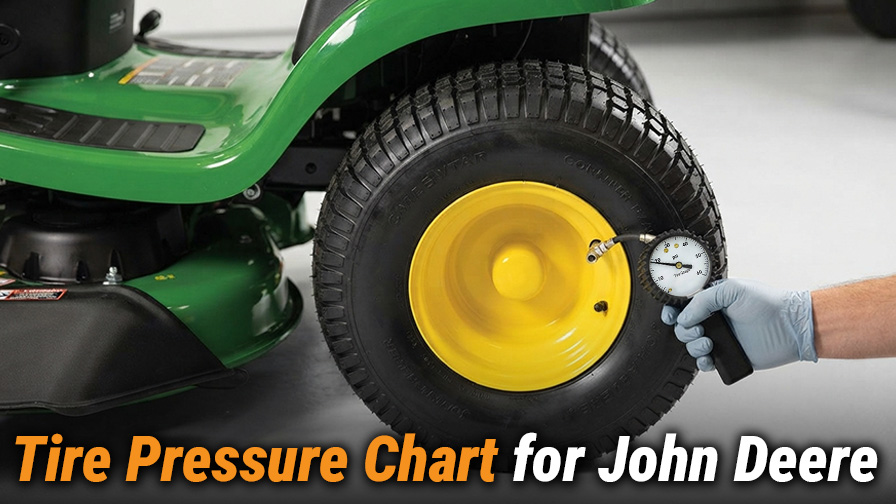
The chart gives you a starting point. From there, match PSI to your tire setup and workload. A quick gauge check prevents uneven wear and handling issues. And if you’re already in there servicing hubs, spindles, or front axle parts, take a look at the tires for cracks, bead leaks, and sidewall damage.

John Deere Carburetor Diagram: A Complete Guide 2026
Sep 27, 2026

John Deere Carburetor Diagram: A Complete Guide 2026

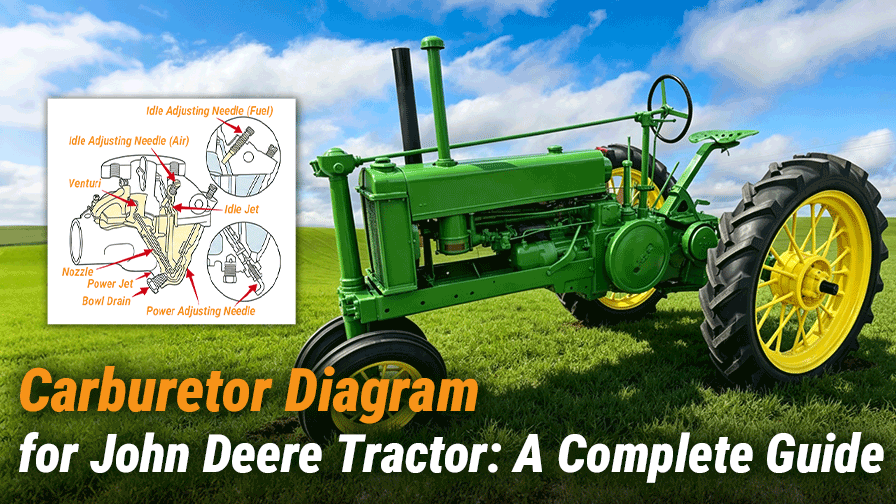
The Model DLTX is a horizontal-type carburetor for John Deere A and B tractors. DLTX carburetors come in various models and their parts are not interchangeable. Common DLTX models for John Deere A and B tractors include DLTX 34, DLTX 46, DLTX 53, and DLTX 71. Each model is for a specific engine with unique jet sizes, float levels, and other settings. Therefore, before ordering any parts, you must always consult your tractor’s service manual for the correct specifications of your carburetor model and identify the exact model number from the tag or stamping on your carburetor’s body.

Do Lawn Mowers Take Regular Gas?
Sep 26, 2026

Do Lawn Mowers Take Regular Gas?

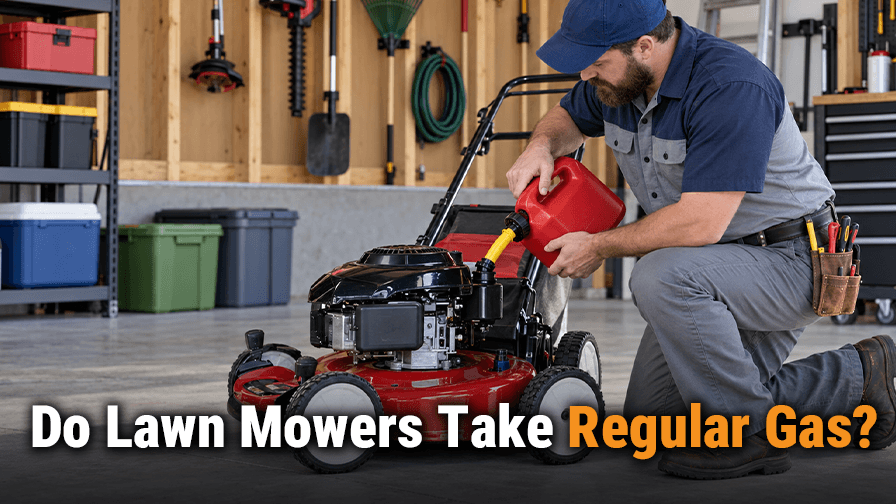
If you are wondering do lawn mowers take regular gas, the answer is yes. Most 4-cycle mowers run perfectly on standard 87-octane unleaded fuel. Learn about the differences between E10 and ethanol-free gas for storage.

Chainsaw Bar Oil: What Weight Should You Use?
Sep 26, 2026

Chainsaw Bar Oil: What Weight Should You Use?

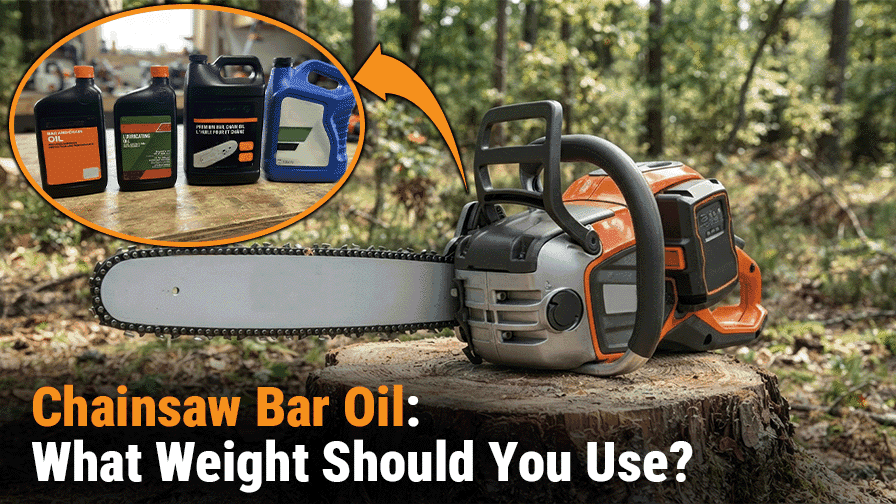
Using the wrong chainsaw bar oil weight can affect your cutting performance, shorten your chainsaw’s life and even bring about costly maintenance and repairs. Thinner oils like SAE 10W are ideal for cold weather operation and softwood cuts, while thicker oils like SAE 40W are better for hot temperatures and hardwoods. In this guide, we’ll dive into more than just different chainsaw bar oil weights and how to choose the right one for your specific needs.

Husqvarna Belt Size Chart by Model and Part Number
Sep 26, 2026

Husqvarna Belt Size Chart by Model and Part Number

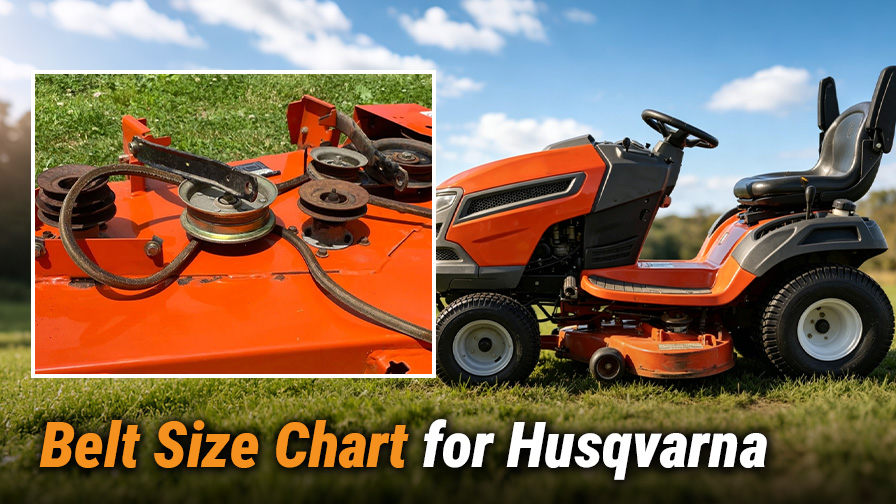
Husqvarna belt size chart by model and part number. The right belt for a Husqvarna machine is usually found by part number, not by guesswork and not by deck size alone. A proper belt size chart should help you match the belt type, width, and length before you order. Going by deck size alone is often not enough, especially when similar machines use different belt routes. Start with the model if you know it. But if the old belt number is still readable, use that first. Part numbers point to the exact belt because similar decks may use different routing and pulley layouts. Belt length must be close enough for the pulley path and tensioner range. Even a small difference can affect belt tracking and blade speed. Before ordering, confirm four things in order: machine model, belt function, belt width, and belt length. The deck belt drives the blades. The drive belt moves the machine. If a belt keeps jumping off, check the idlers, keepers, springs, and pulley alignment too.

How Much Does A Semi-truck Weigh? Empty vs. Fully Loaded
Sep 25, 2026

How Much Does A Semi-truck Weigh? Empty vs. Fully Loaded

You may often see or drive a semi-truck on the highway but have you wondered how much those behemoths weigh? An empty semi-truck usually weighs about 30,000 to 35,000 pounds, while a fully loaded one weighs no more than 80,000 pounds without special permits. But how does the semi-truck weight distribute between the tractor and trailer? What if you exceed the limits? Let’s dive in together.

FridayParts Is Coming to Sunbelt Ag Expo 2026, See You in Moultrie!
Sep 25, 2026

FridayParts Is Coming to Sunbelt Ag Expo 2026, See You in Moultrie!

Join FridayParts at the Sunbelt Ag Expo 2026 in Moultrie, GA, from October 20-22! Stop by Booth # AB3-91 to meet our expert team, discover high-quality aftermarket parts for your machinery, and grab some exclusive gifts.

How to Stop Wheel Spin: Ballast Box for Compact Tractor Guide
Sep 25, 2026

How to Stop Wheel Spin: Ballast Box for Compact Tractor Guide

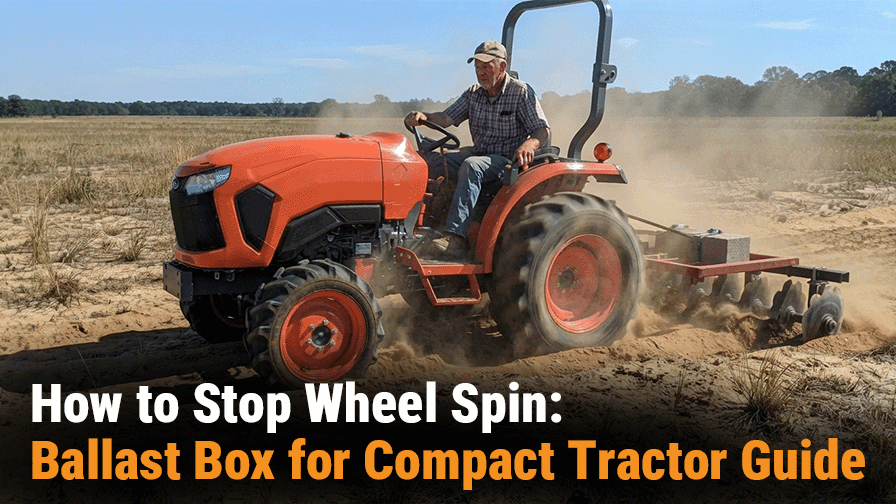
How to stop wheel spin: compact tractor ballast box guide. If a Kubota L3902 starts spinning while pulling a 5-foot disc harrow in sandy soil, the usual cause is simple. Not enough usable weight on the drive tires for the draft load and disc angle. A flatter gang angle rolls easier but barely cuts. A steeper angle cuts better but asks for more traction than the tractor can hold. Loose sand gives poor grip even before the disc starts to bite. Then the disc angle adds draft load. On a light compact tractor, that extra pull can overcome rear tire grip long before engine power runs out. Loaded rear tires are often the most useful starting point. They add weight directly to the drive wheels, lower the center of gravity, and do not take away your hitch. Wheel weights help if more grip is still needed. A 3-point ballast box is better for loader work. It offsets front load and protects the front axle. For discing, rear tire ballast matters more. Reduce gang angle slightly. Check tire pressure. Make sure the disc is in good shape. Add traction first, then add bite. Two lighter passes often work better than one aggressive pass.